
5 Days Hunting Florida’s Wildest Fish
Invasive vs. Native | A Field & Stream Shoot
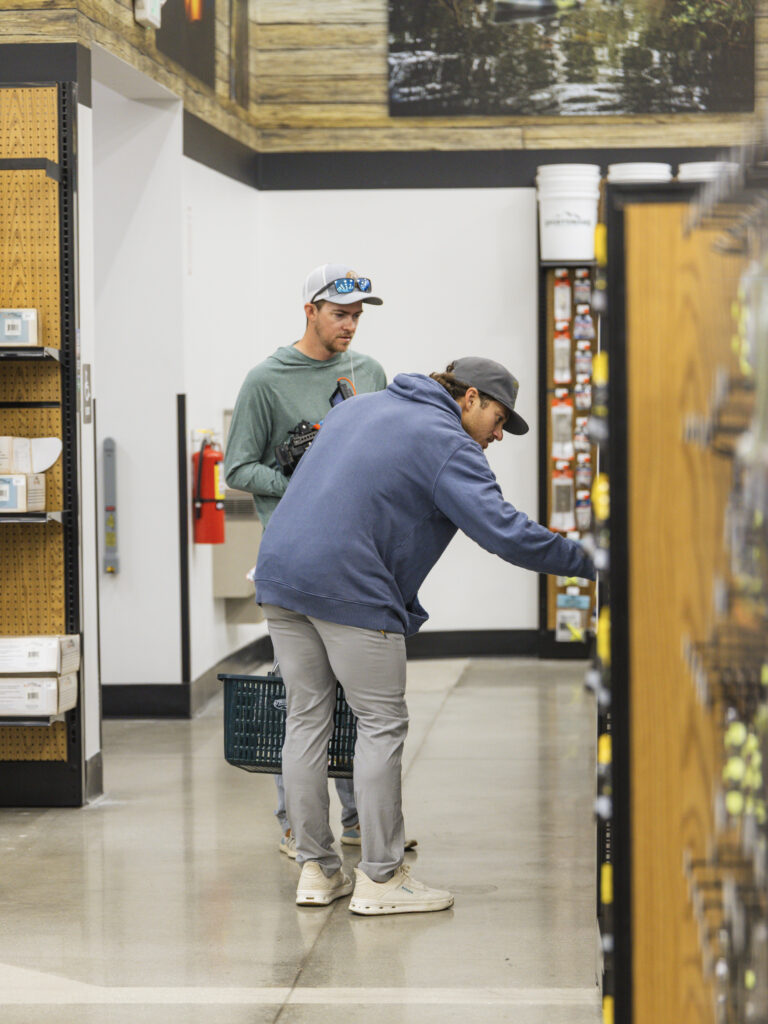
The first of more to come.
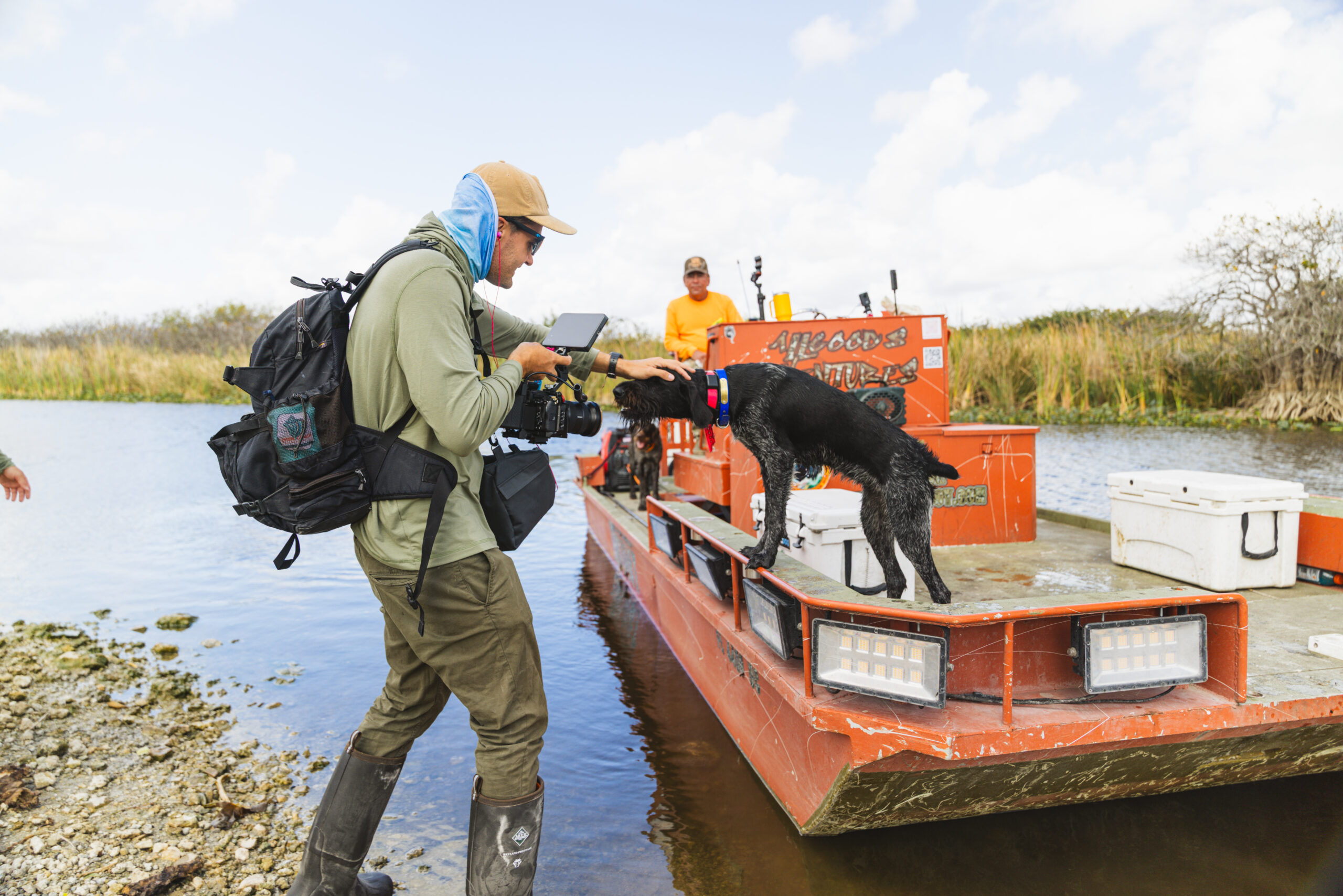
This was my first shoot with Field & Stream, and it didn’t take long to realize it wasn’t going to be a normal one.
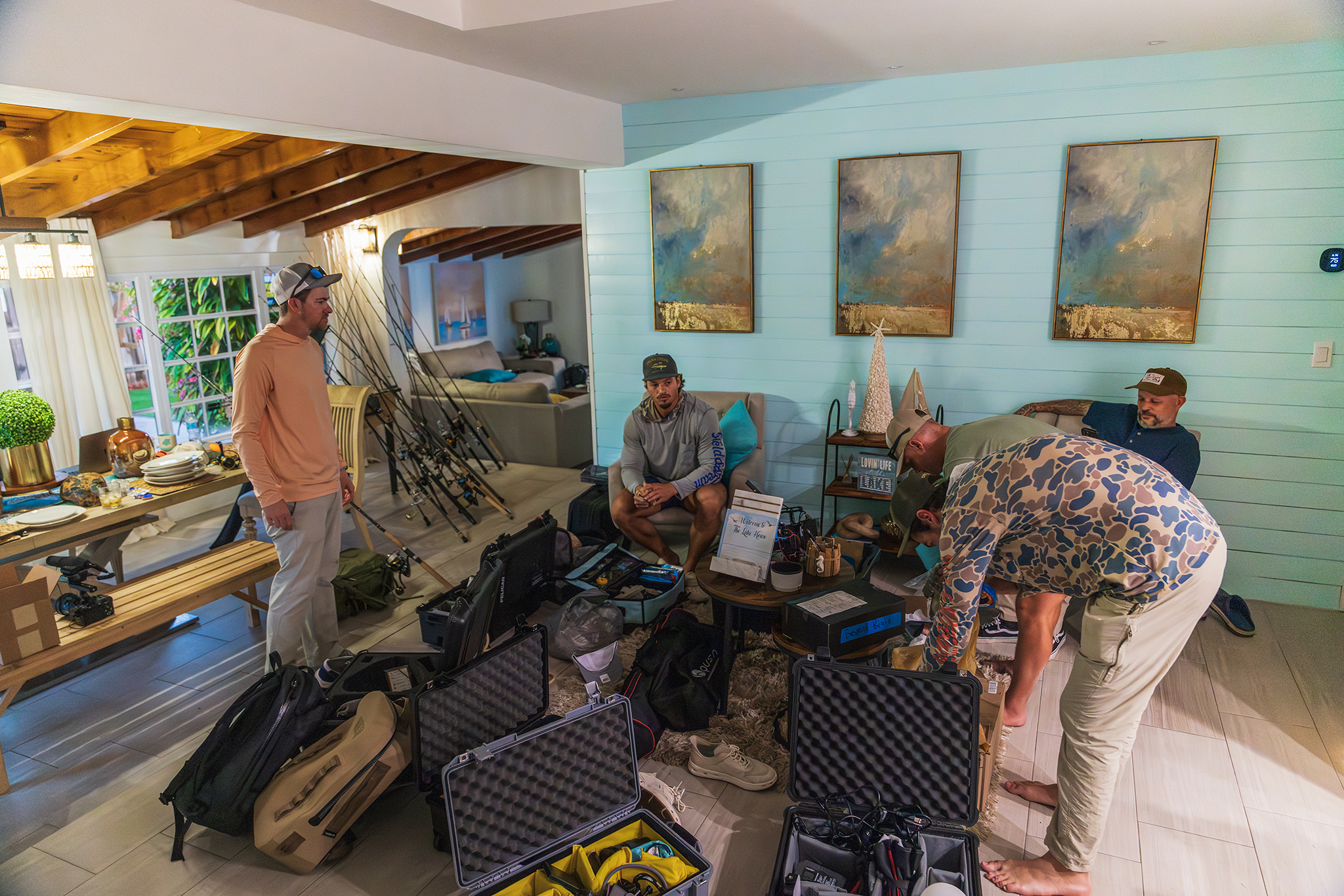
Five creators. Three shooters. Seven days. Thousands of miles across South Florida. The goal was simple on paper – split into teams and showcase both native and invasive fisheries, but actually pulling that off in a single week meant everything had to go right.
And with fishing, that’s never a guarantee.
Day 1 — Biscayne Bay
We started early. That became the rhythm for the whole trip – alarms before sunrise, long runs, long days, and getting back after dark.
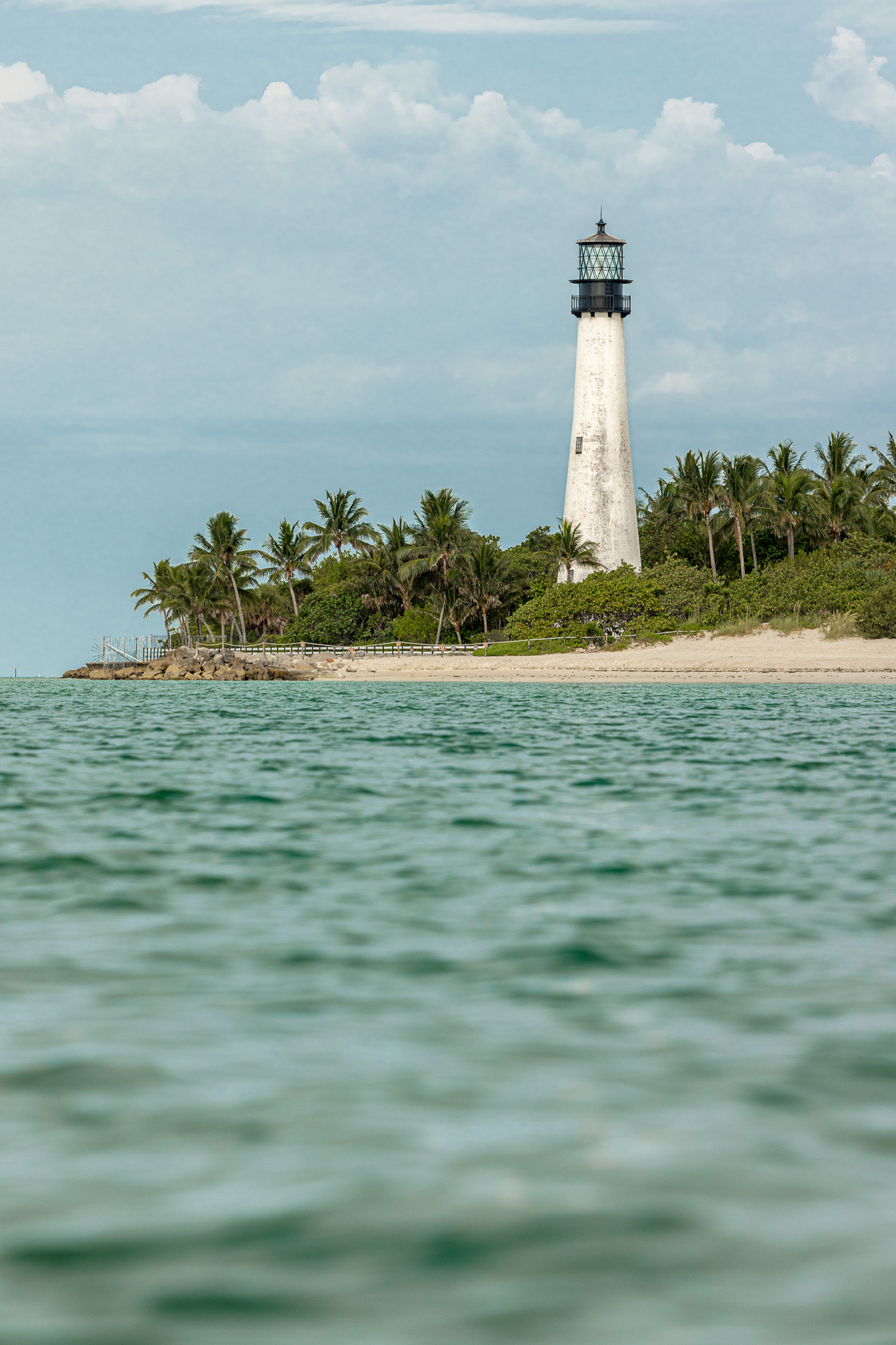
The plan was solid. Yellowjacks, mangrove snapper, mutton snapper, maybe a grouper or two. We’d fished these areas before and had success, so confidence was high.
But the fish didn’t get the memo.
We bounced from spot to spot most of the morning, grinding. Plenty of life around the boat; birds working, fish blowing up on chum – but not much committing. You start doing the mental math at that point…how much time is left, whether you need to shift locations, whether you’re going to have to burn another day here.
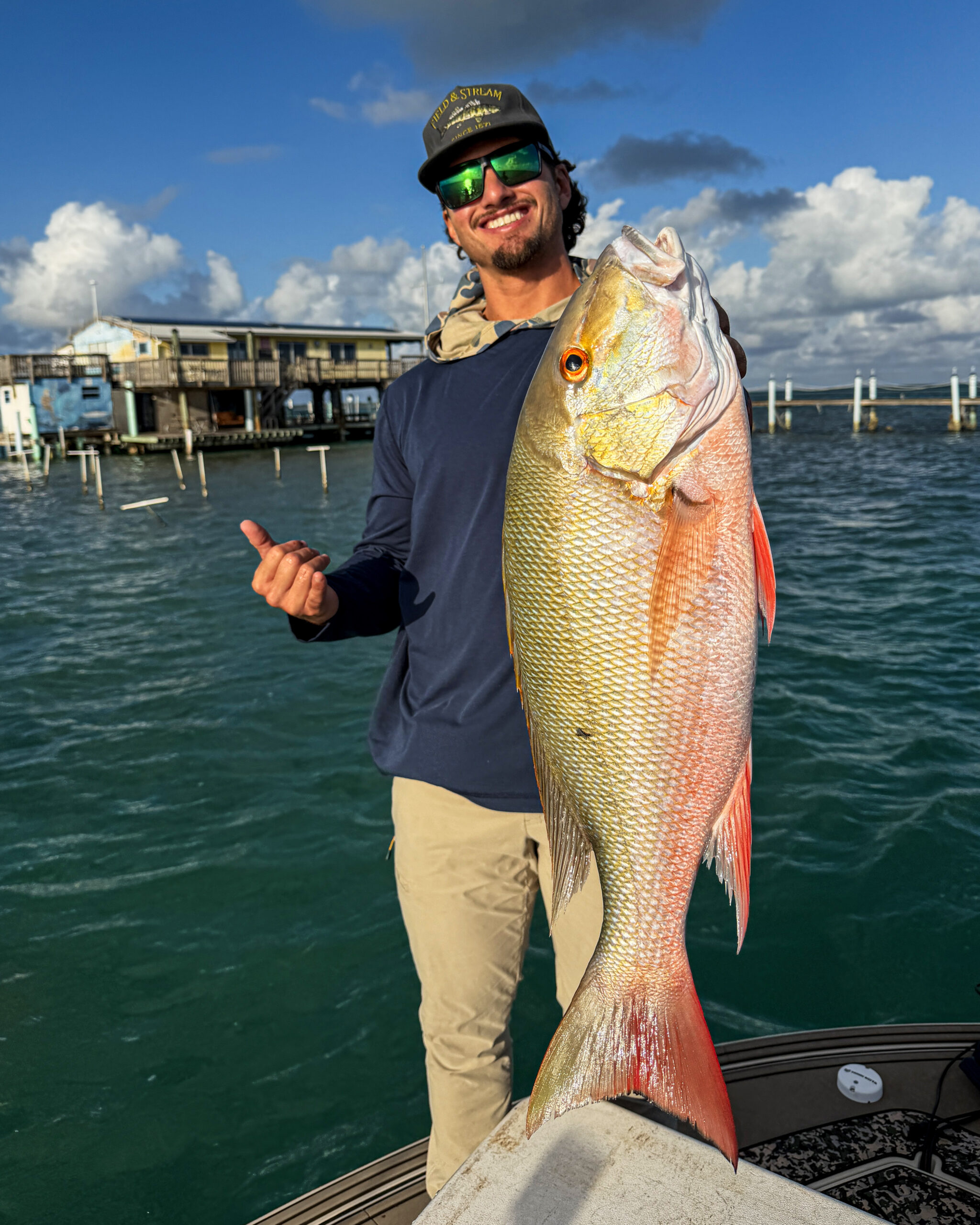
Game changer.
Then right at the end – buzzer beater.
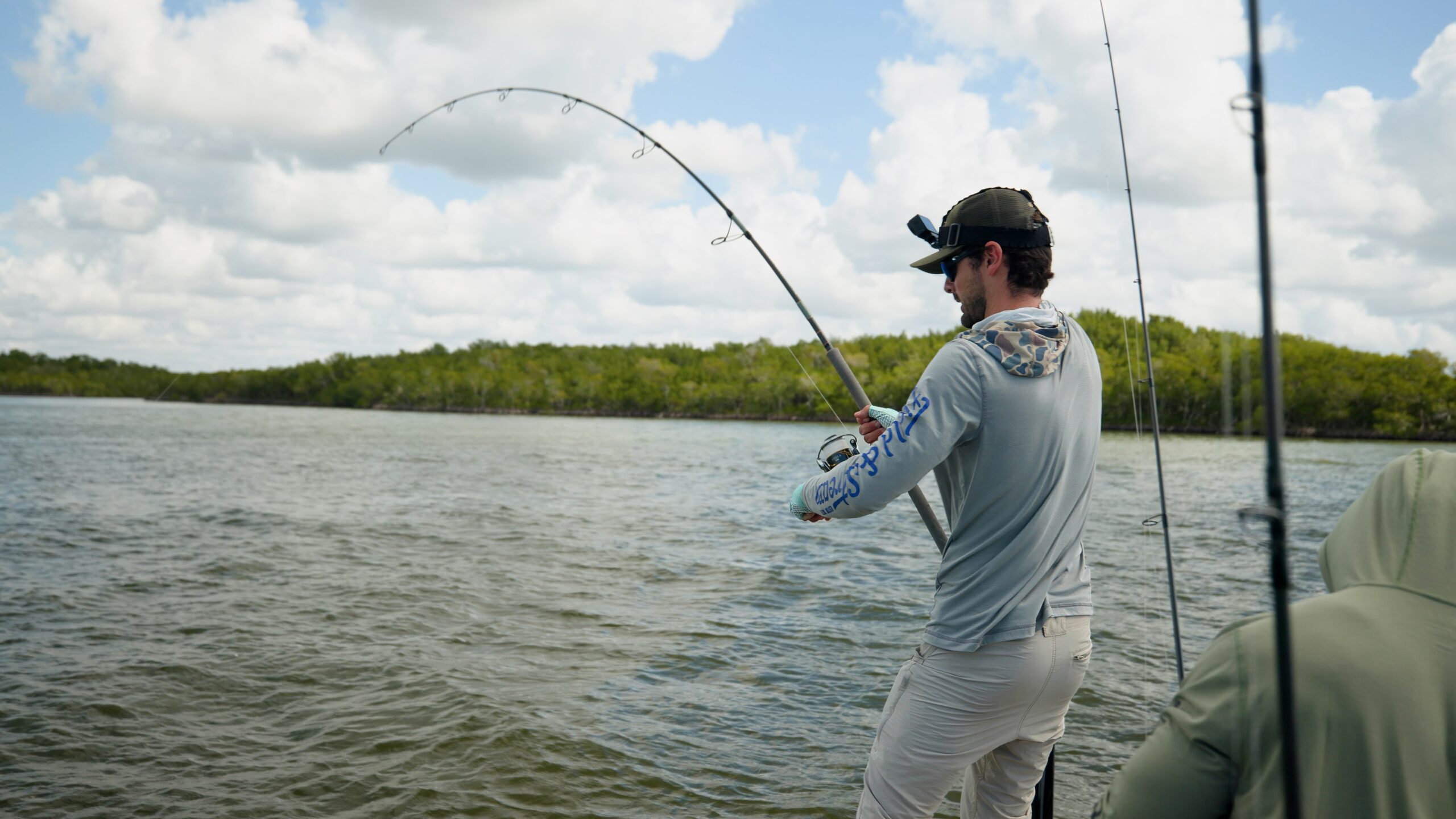
Tyler hooks into a solid mutton snapper. It wraps around structure, and for a second it feels like it’s over before it even starts. We get the boat over it, somehow it swims free, and we land it.
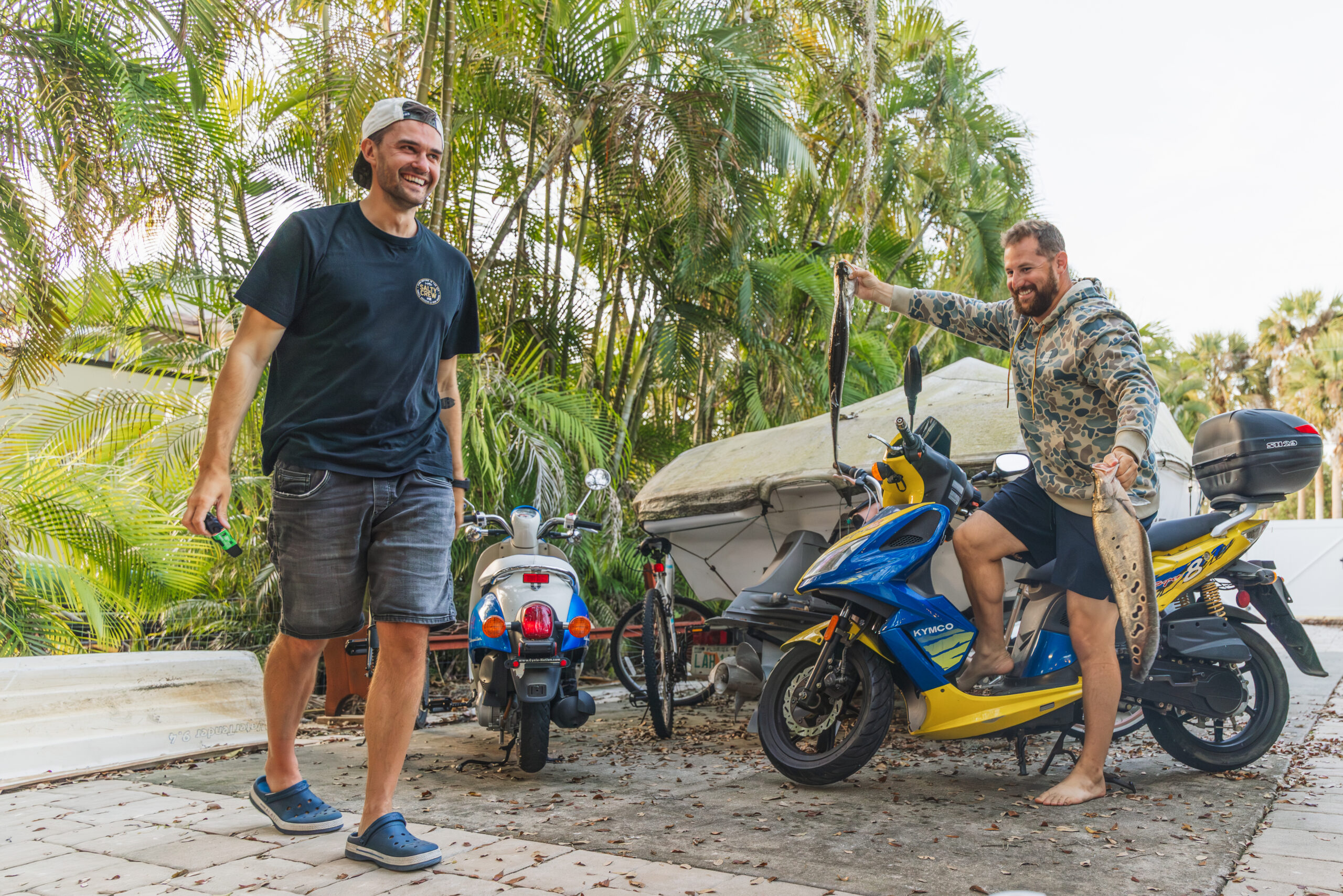
That fish didn’t just save the day, it would end up feeding the whole crew later on.
Day 2 — Miami Canals to Night Tarpon
Day two was a completely different look.
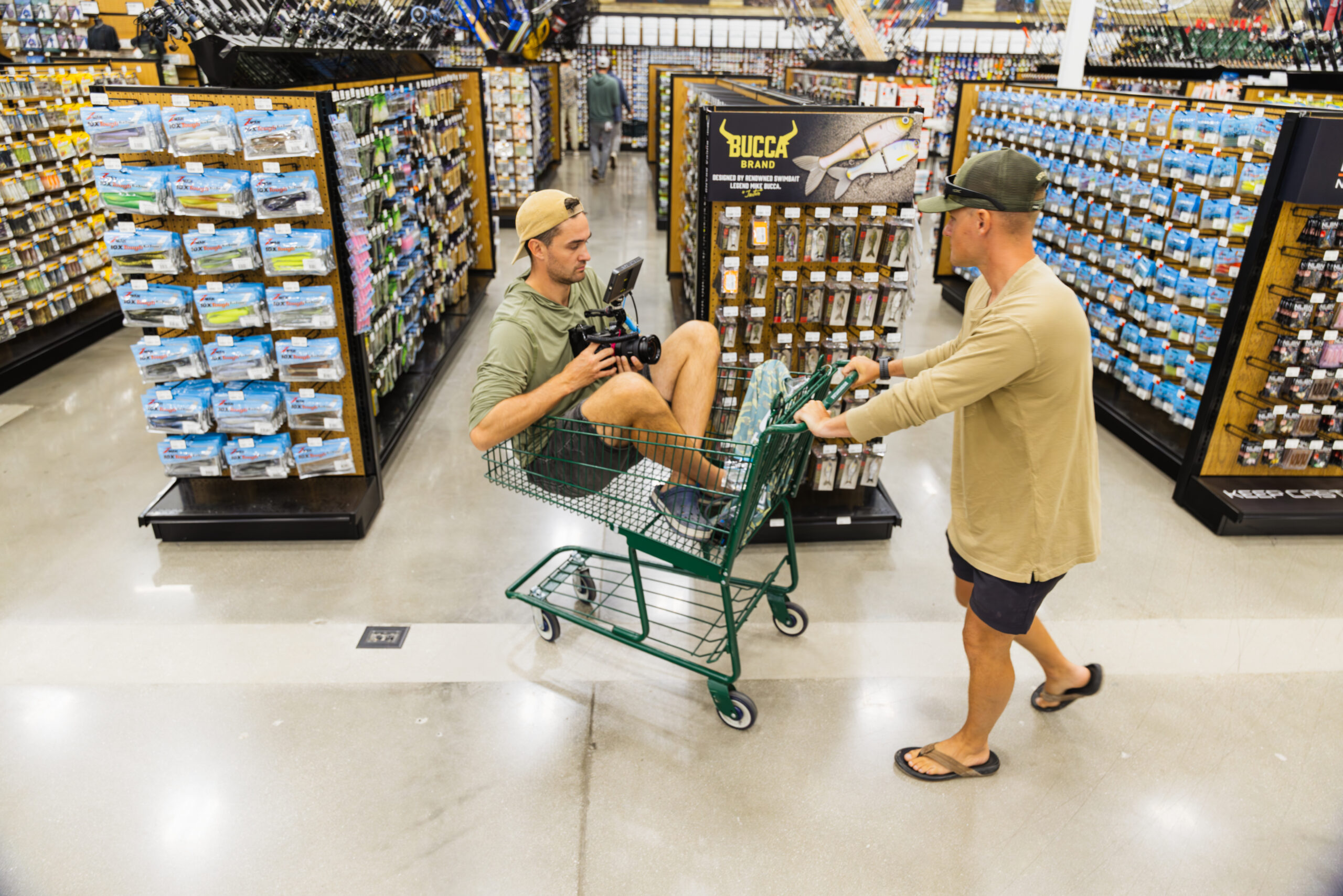
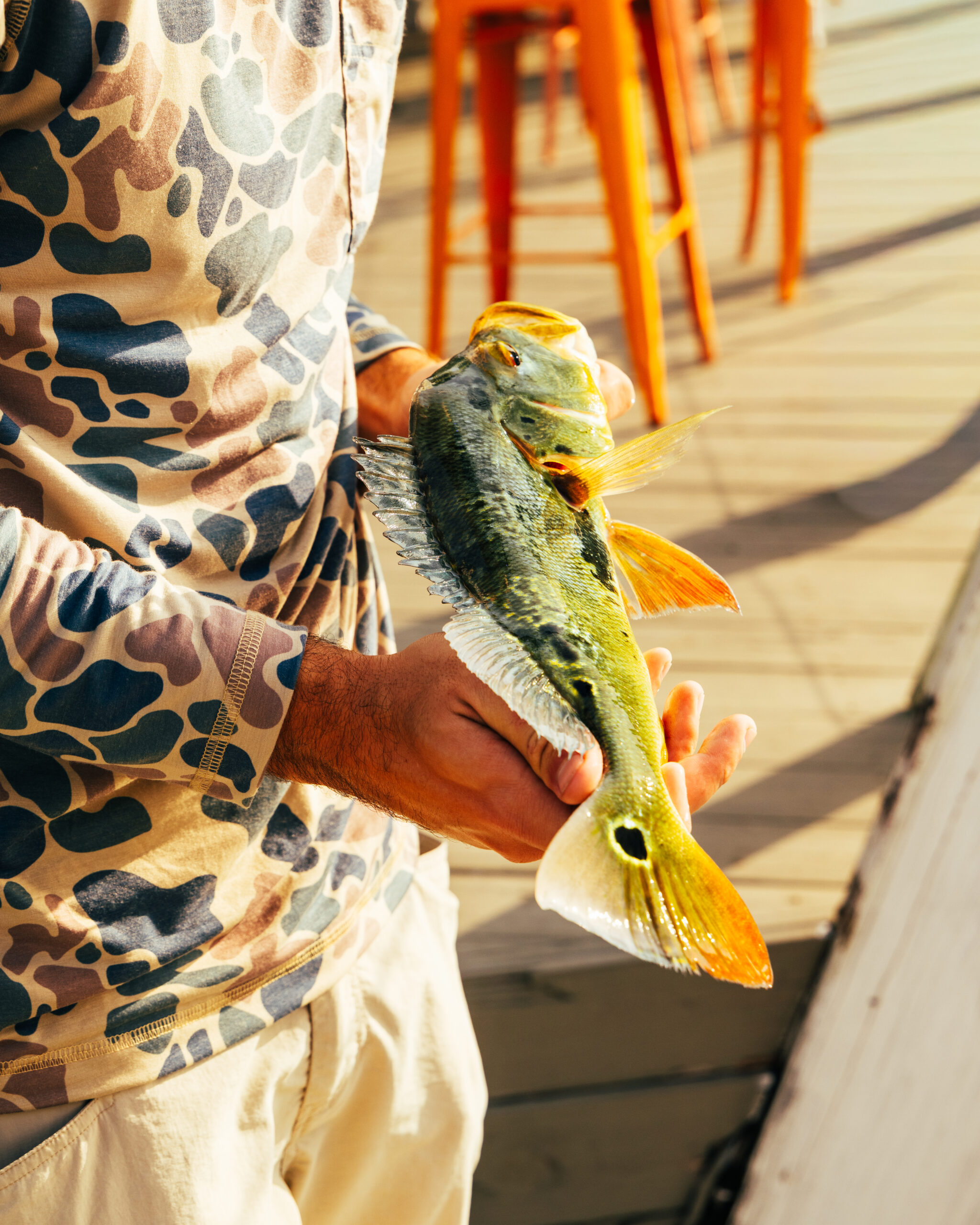
We spent the morning running through Miami canal systems chasing largemouth and peacock bass. It’s a strange contrast; fishing around traffic, shopping carts in the water, and city noise all around you. Some fish would only eat live shiners, completely ignoring artificials.
By midday, we found a pond tucked behind a hospital that kicked out some of the better peacocks of the trip. That was a big one for us; upgrading the size of another key species for Team Native.
But the day wasn’t over.
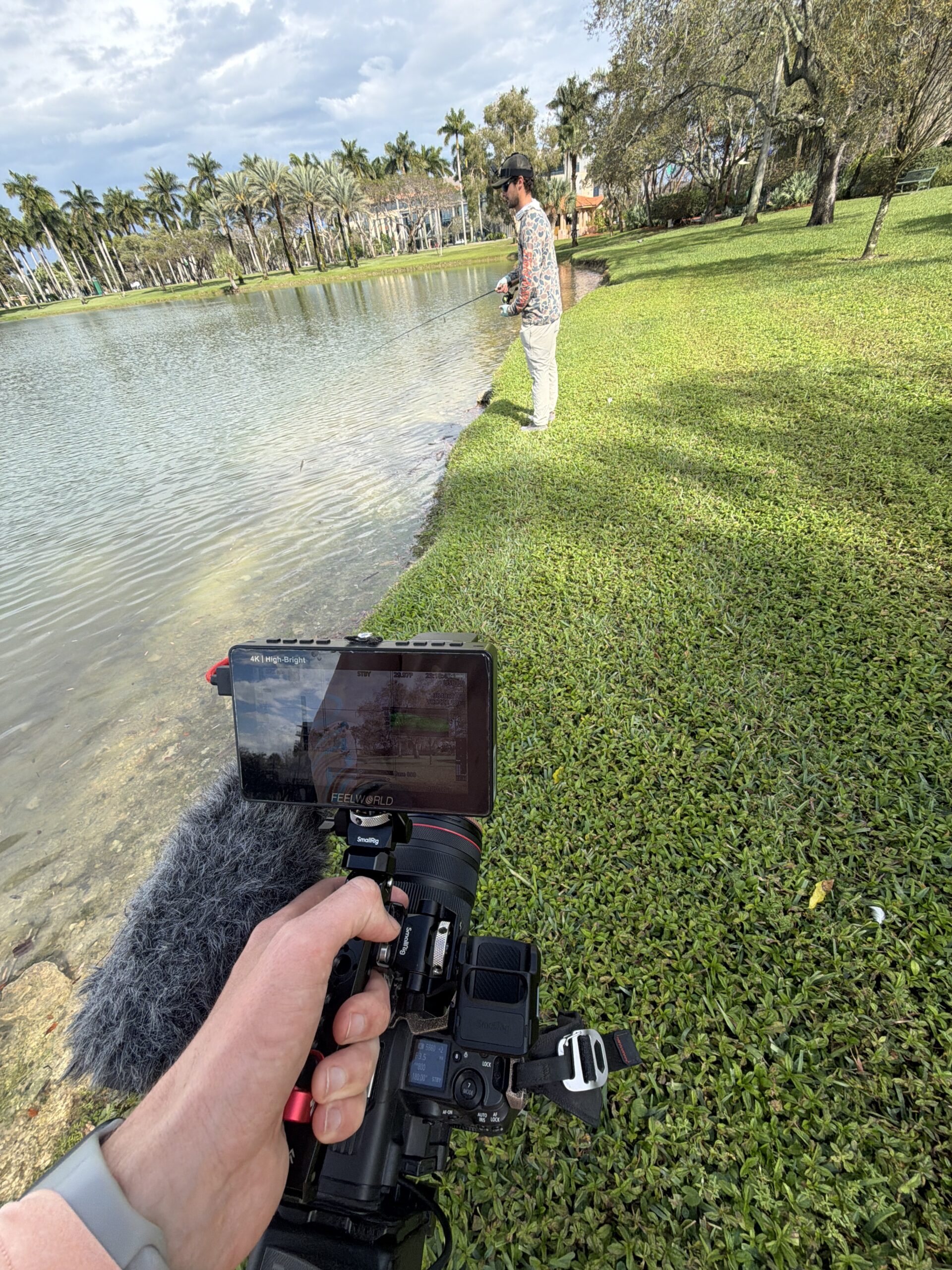
Turn and burn.
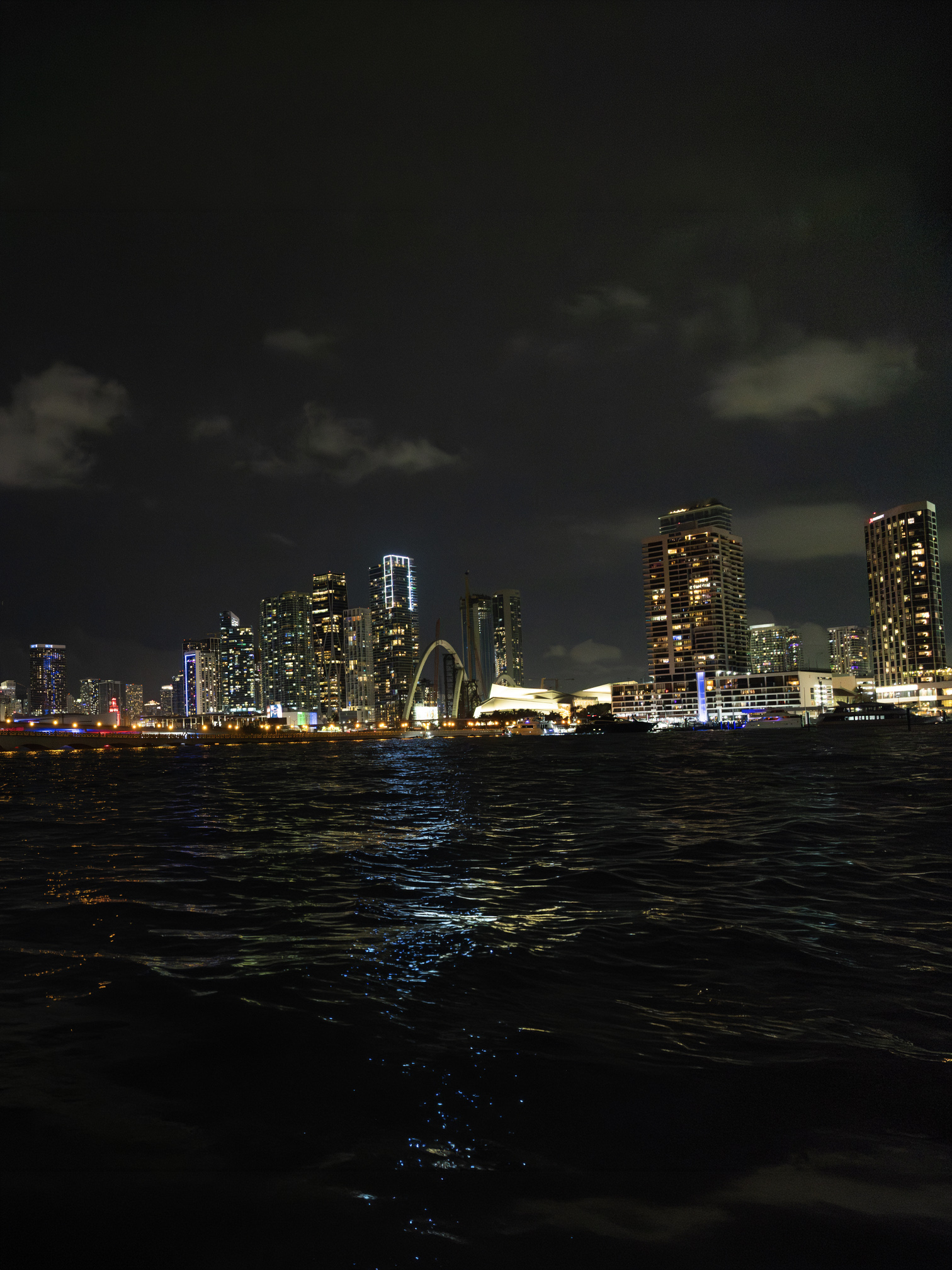
We dumped footage, swapped gear, charged what we could, and headed right back out, this time under the Miami skyline chasing mangrove snapper and tarpon at night while the shrimp were running.
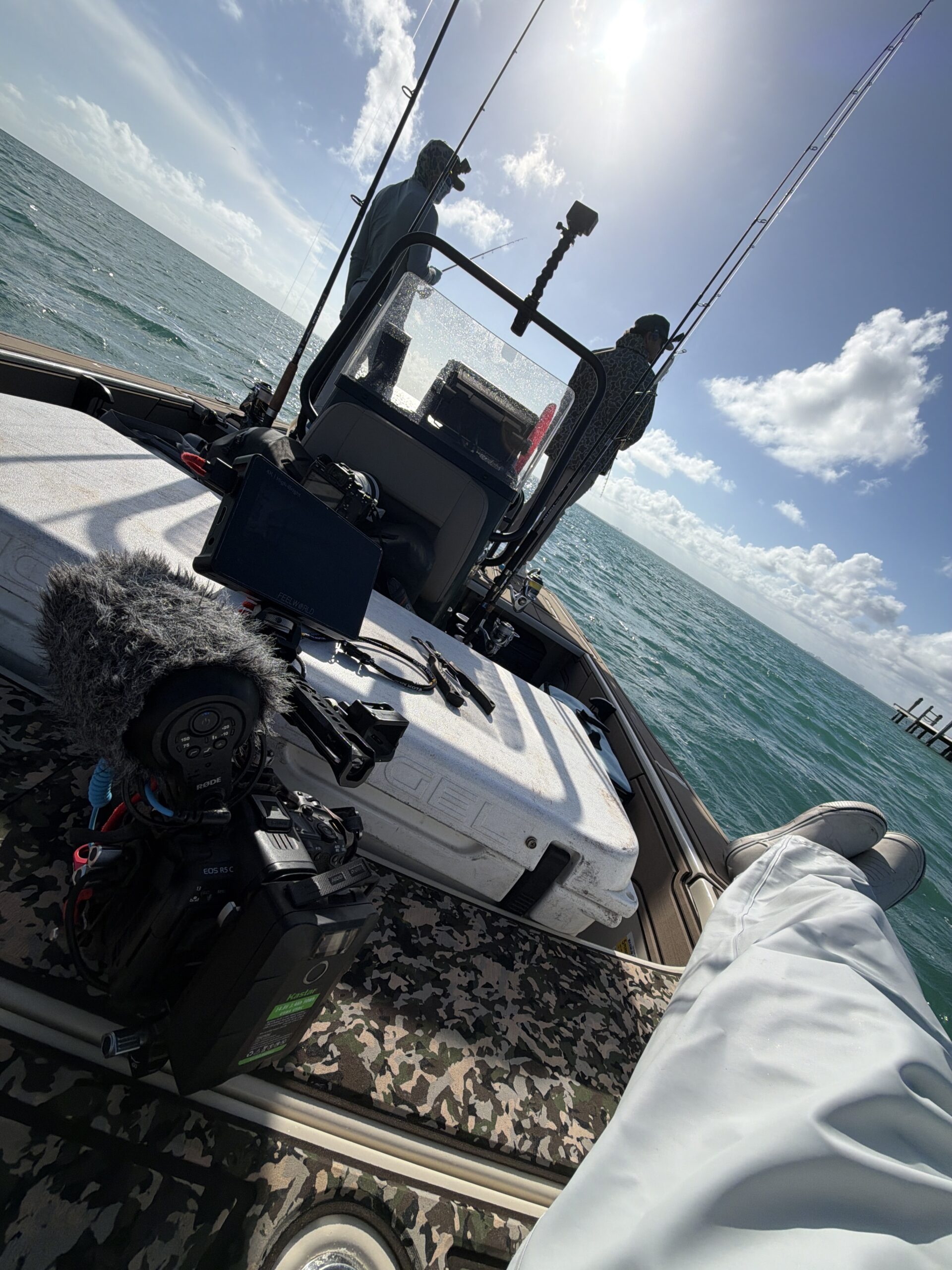
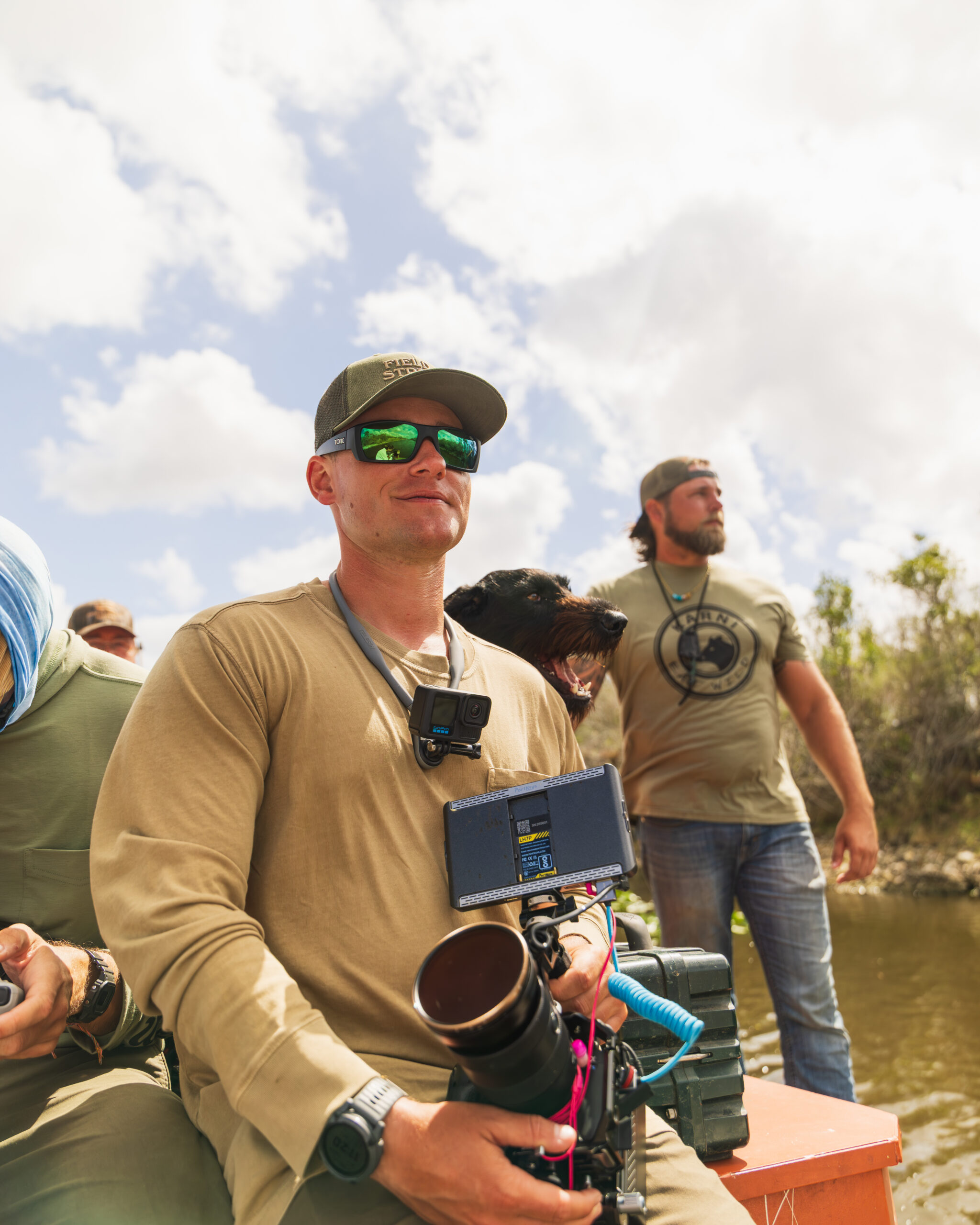
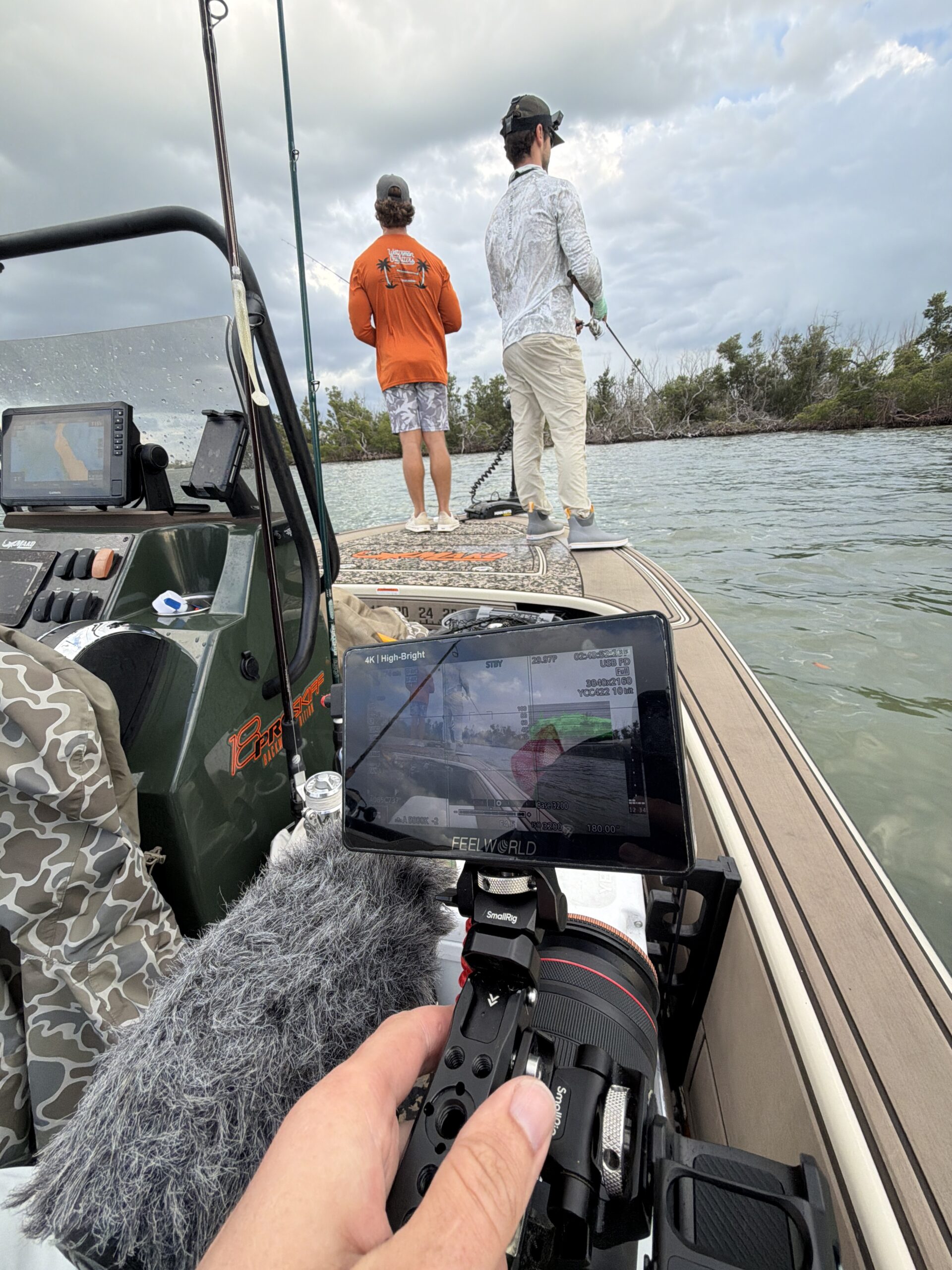
Filming at night always adds another layer. I had a light rigged to the camera, which sounds simple until you’ve already been shooting all day. It’s just more weight, more to manage.
We picked off some snapper and landed a smaller tarpon before wrapping around 1 AM. Back to the house around 2:30. Dump footage. Charge batteries. A few hours of sleep. Do it again.
Day 3 — Lake Okeechobee
At this point, the fatigue starts to creep in.
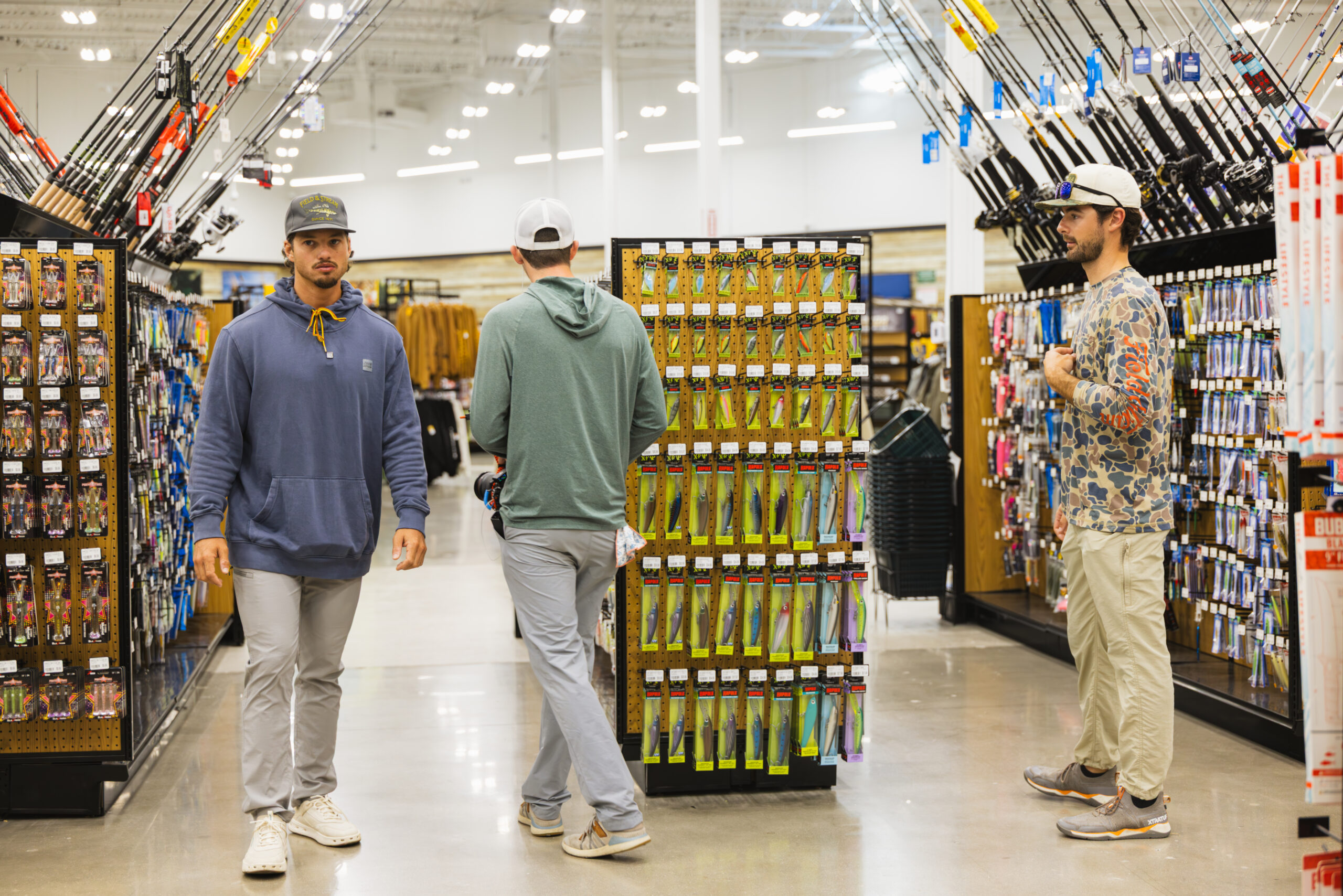
We packed up in the dark and headed toward Lake Okeechobee. Quick stop for gear, grabbed some live shiners, and got on the water.
The goal was topwater frogs, Senkos, and live bait. The frog bite never really materialized, but we managed to piece together some decent largemouth on Senkos.
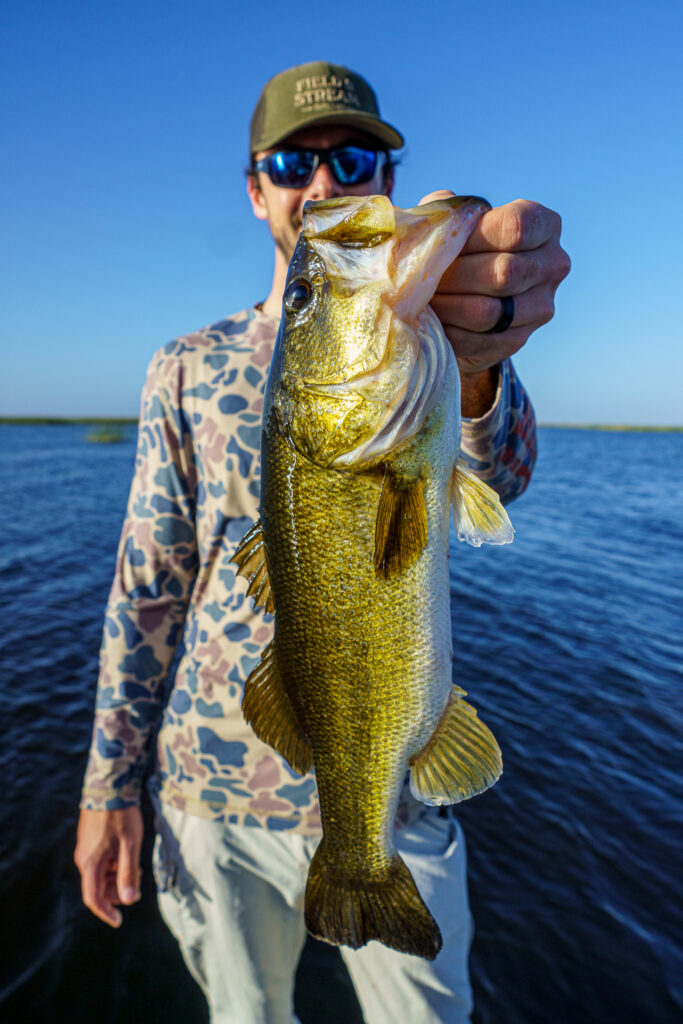
Time to shift gears.
When the bass slowed down, we shifted gears and went after crappie, something we could bring back to feed everyone. It started hot and died just as fast. Two keepers and a handful of shorts, and that was about it.
But honestly, that day wasn’t about the fish.
It was the wildlife.
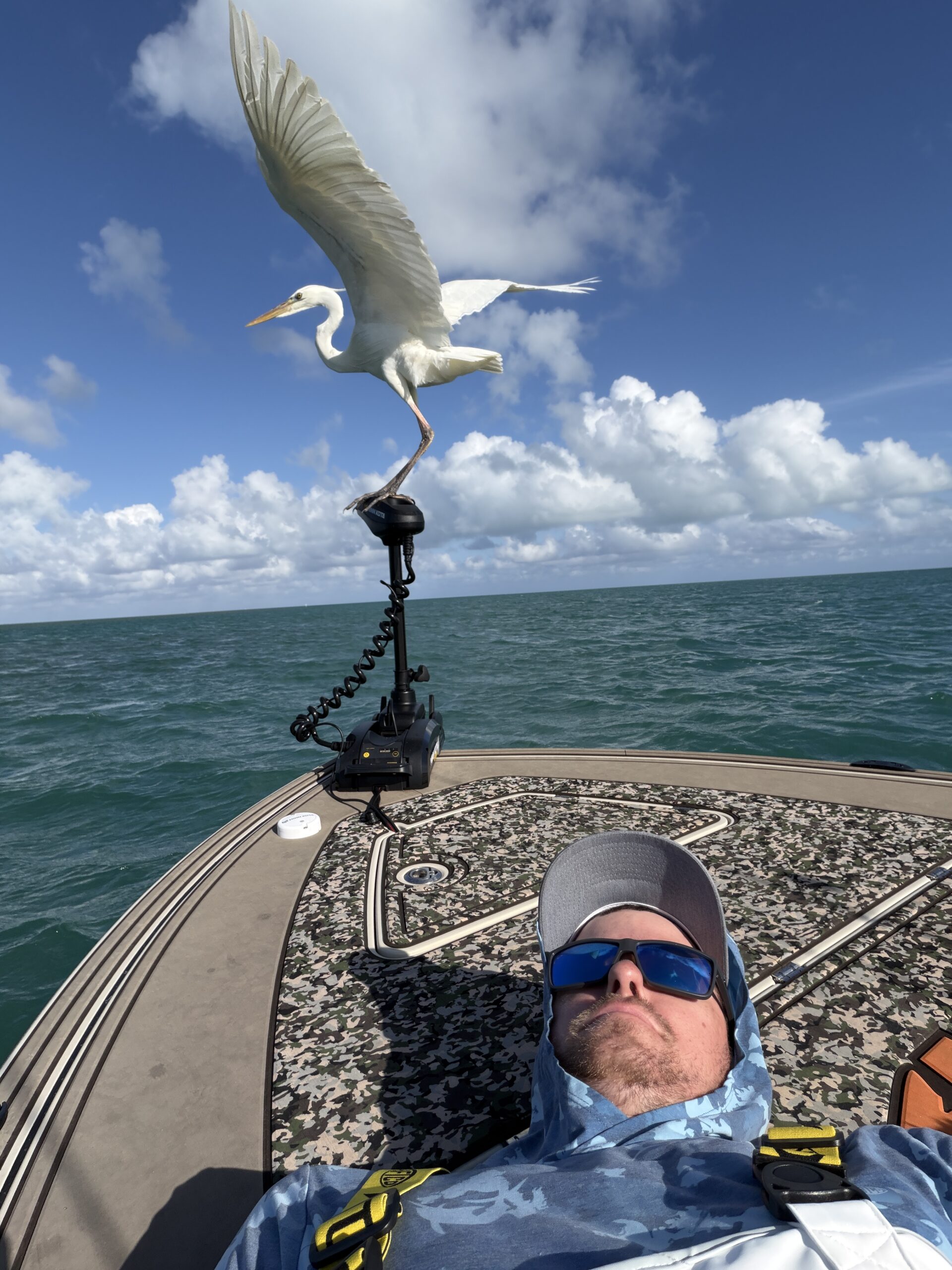
Otters working near the boat. Bald eagles overhead. Ospreys, herons, caracaras. That kind of stuff fills the gaps when the fishing slows down, and for me, that’s some of the most important footage of the trip.
It’s what makes the story feel complete.
Day 4 — Pine Island Slam
This was one of those days where everything actually comes together.
We launched near Tarpon Lodge and set out to put together an inshore slam – snook, redfish, and trout.
We started on oyster bars and sand flats, picking off trout on topwater. Then while I was flying the drone, I spotted a group of fish stacked in a pocket.
We shut it down, eased in, and the guys got out of the boat to stalk them on foot.
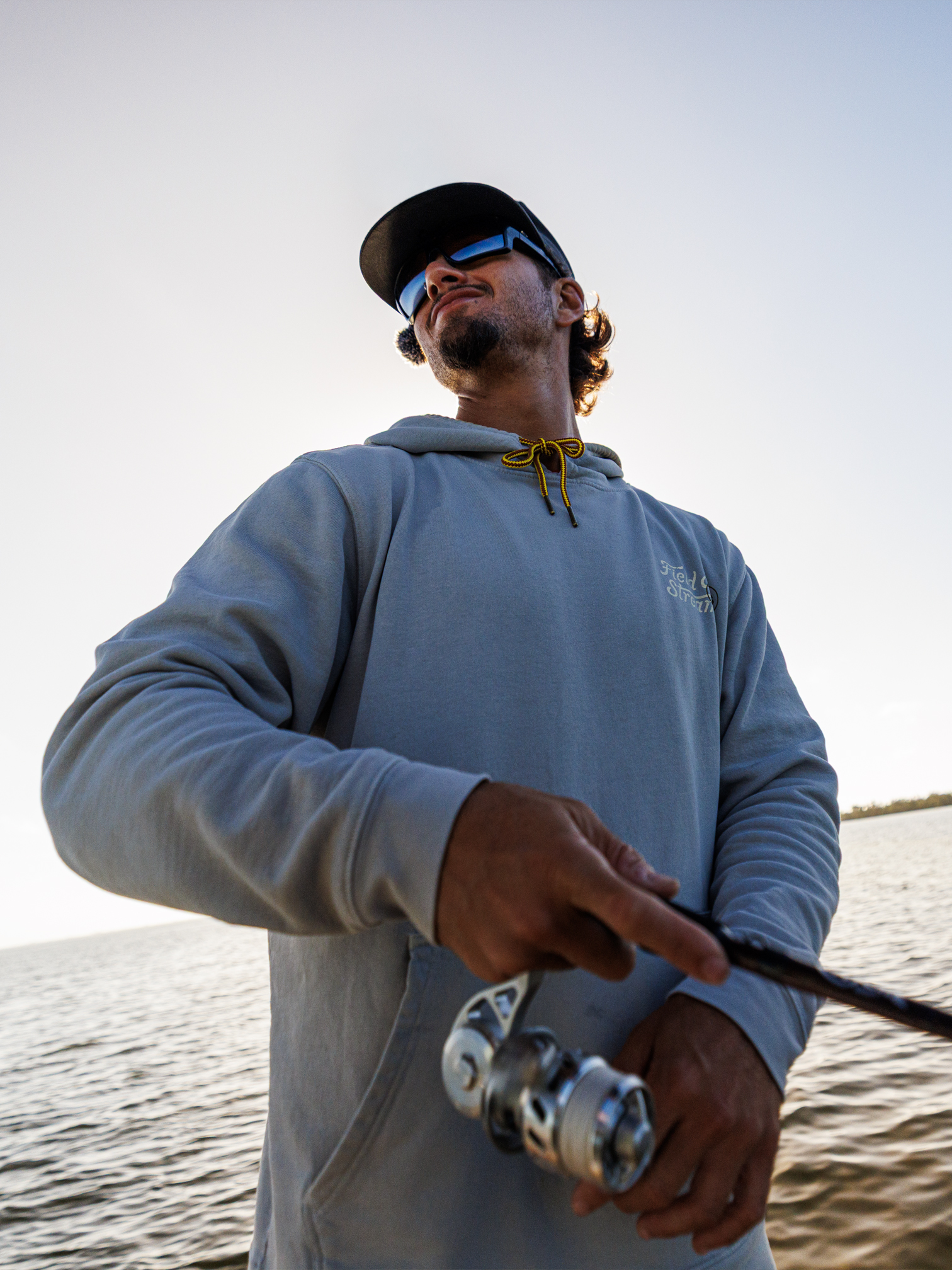
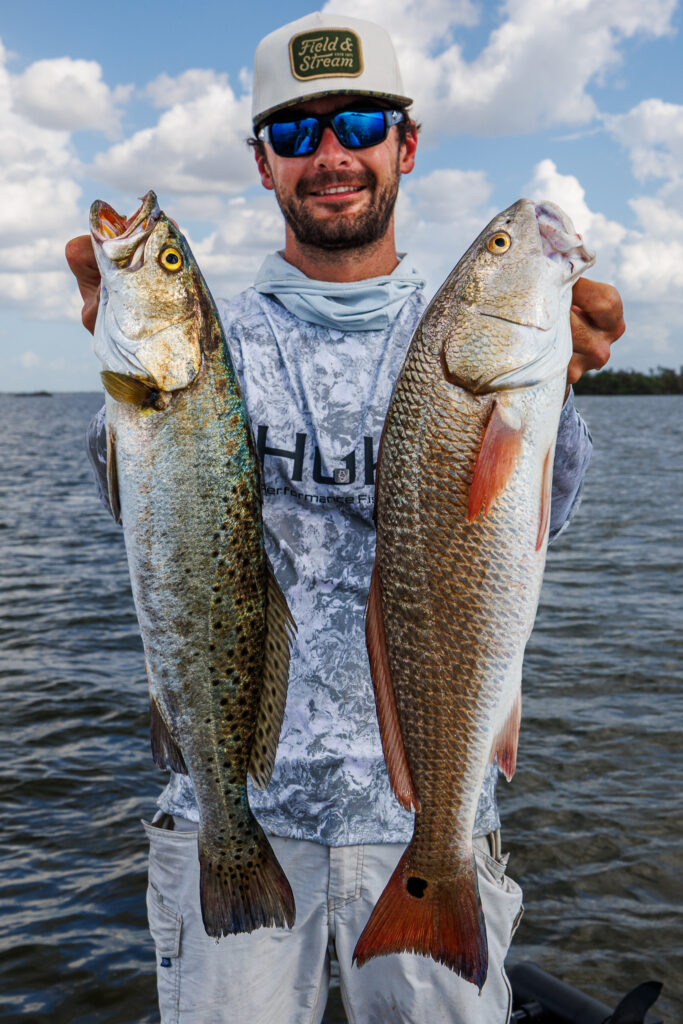
Redfish.
That moment changed the whole feel of the day. Instead of running and gunning, it slowed everything down. More deliberate. More visual. Better story.
We wrapped it up with a snook later that day and completed the slam – all on artificials.
Some days you grind. Some days it just works.
Day 5 — Everglades Tarpon
This was the one we’d been building toward.
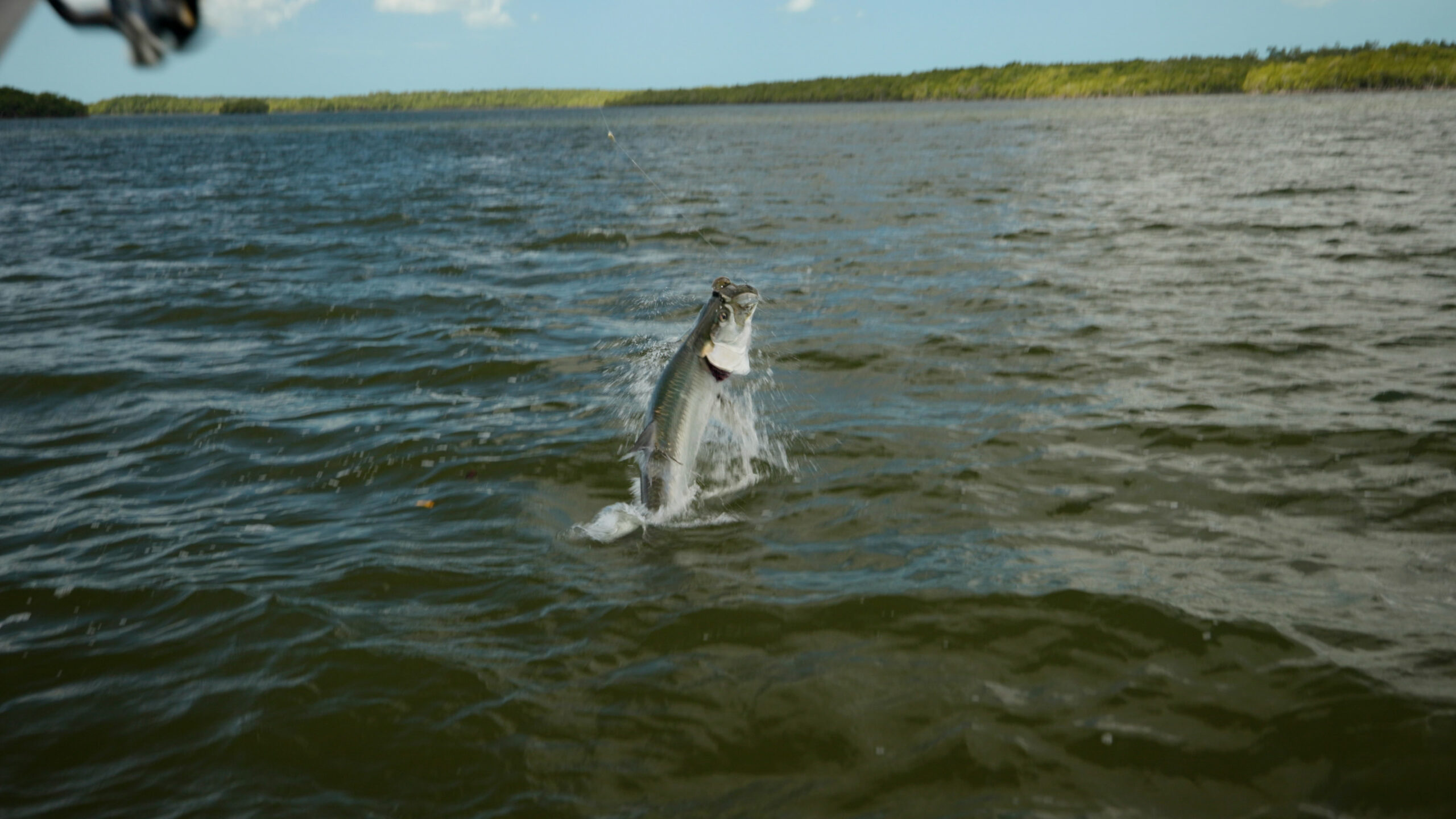
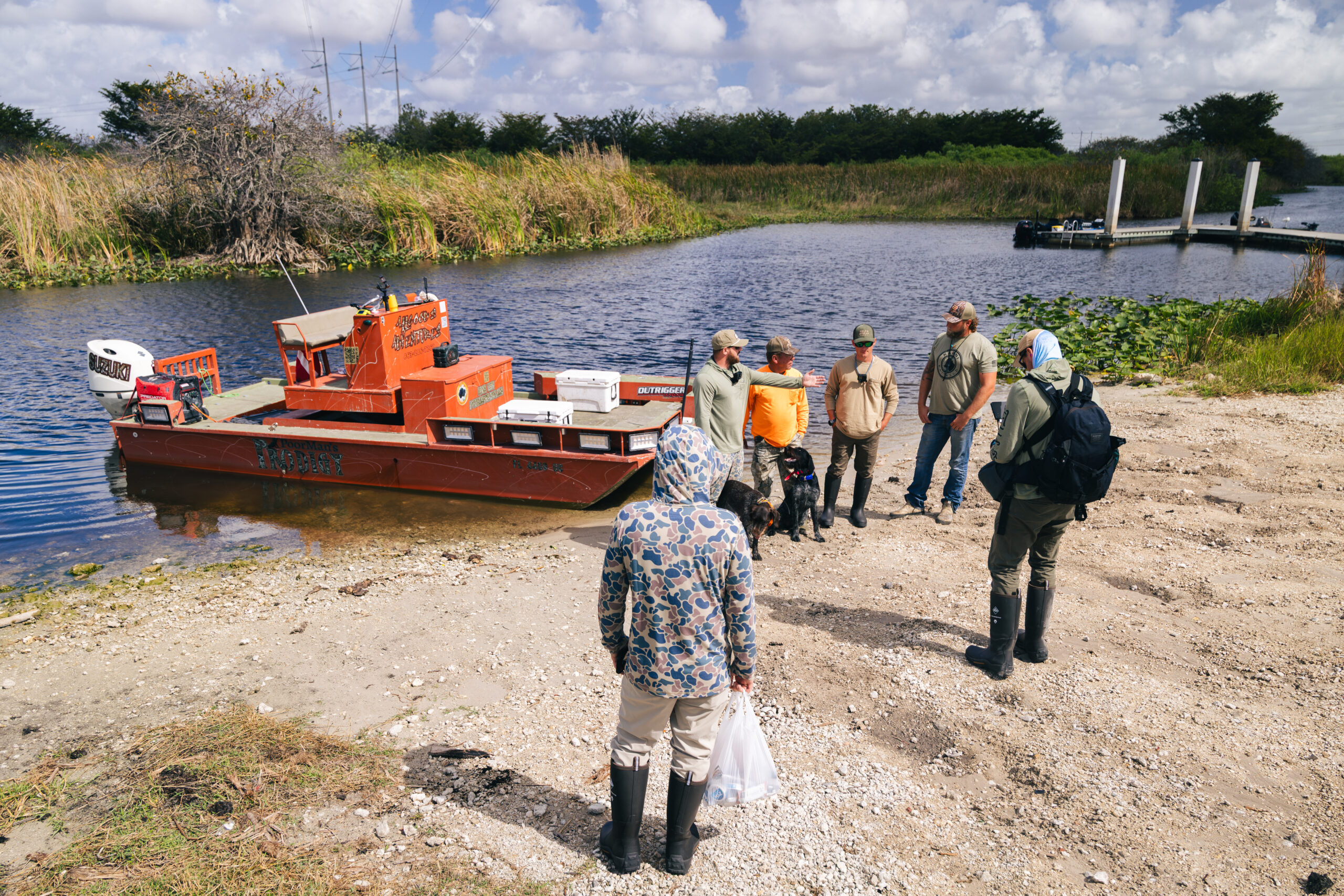
We pushed deep into the Everglades, further back than we’d gone before, looking for big tarpon. I’d heard about “free jumping” fish out there, but seeing it in person is different. Tarpon just launching out of the water for no reason – it gives you a starting point, something to key in on.
Once we found them, it didn’t take long.
I stepped into more of a hybrid role – setting up the drift, watching sonar, calling out fish positions while still trying to film when I could. It’s controlled chaos when it all starts happening.
We hooked one early, but it came off. After that, the energy shifted. Everyone knew it was possible.
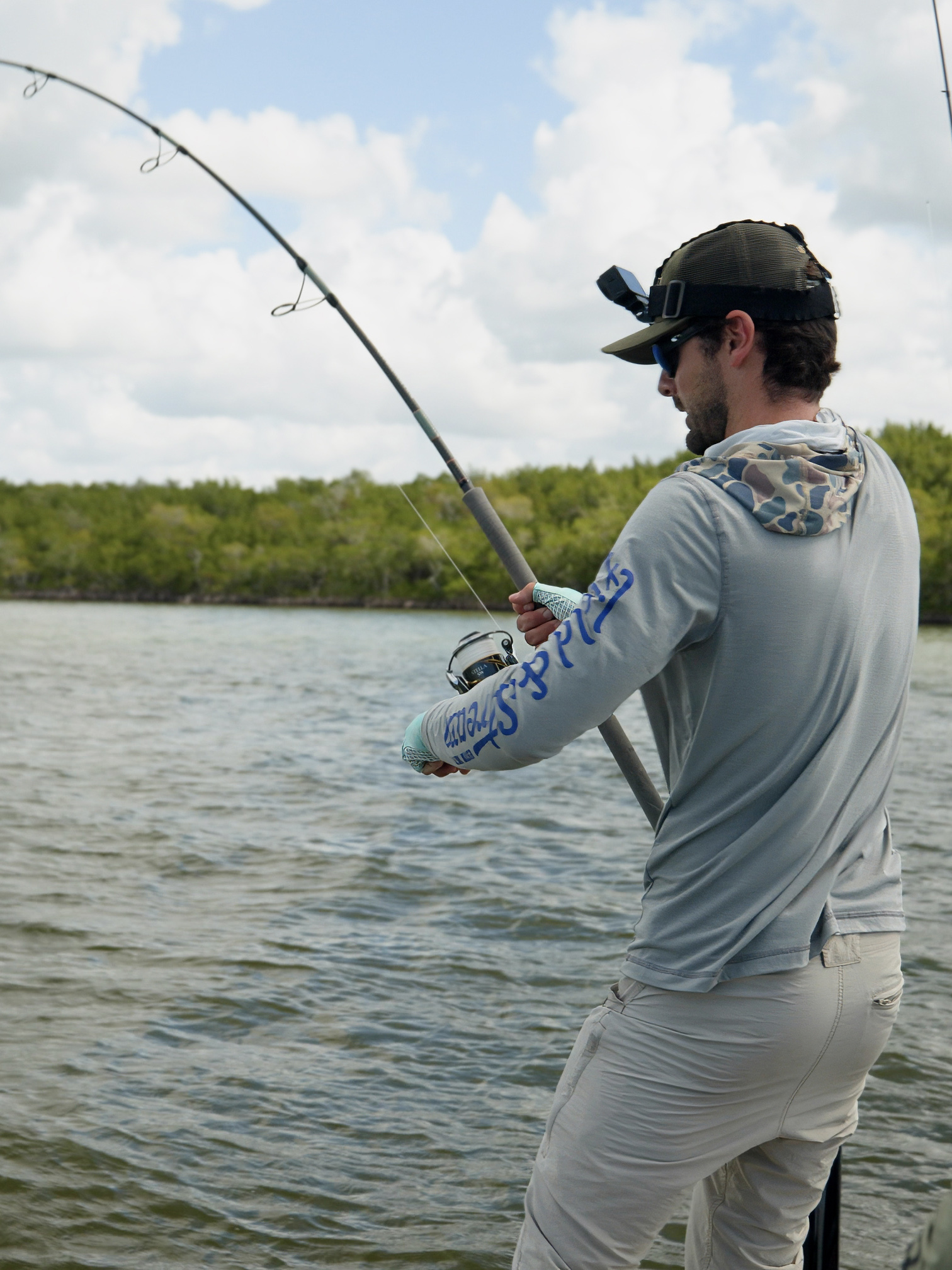
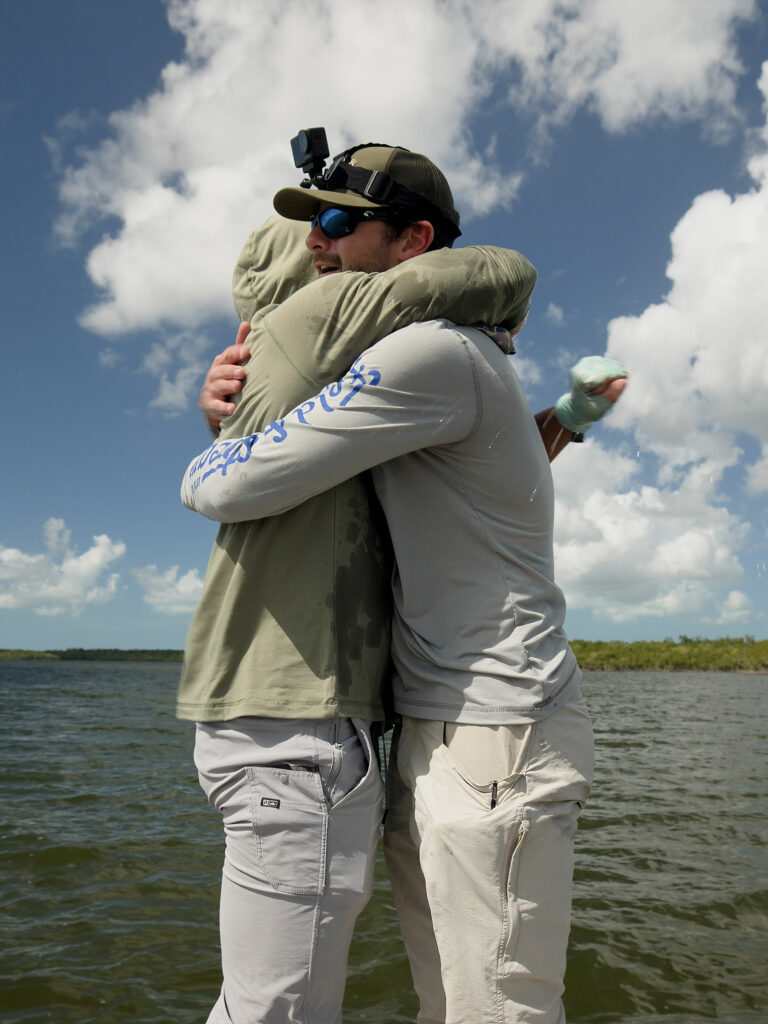
Then it happened.
The right bite.
Big fish.
Long runs.
Multiple jumps.
Brent’s moving all over the boat, Tyler trying to get to the helm, I’m staying clear while rolling and watching everything unfold.
We get the grab.
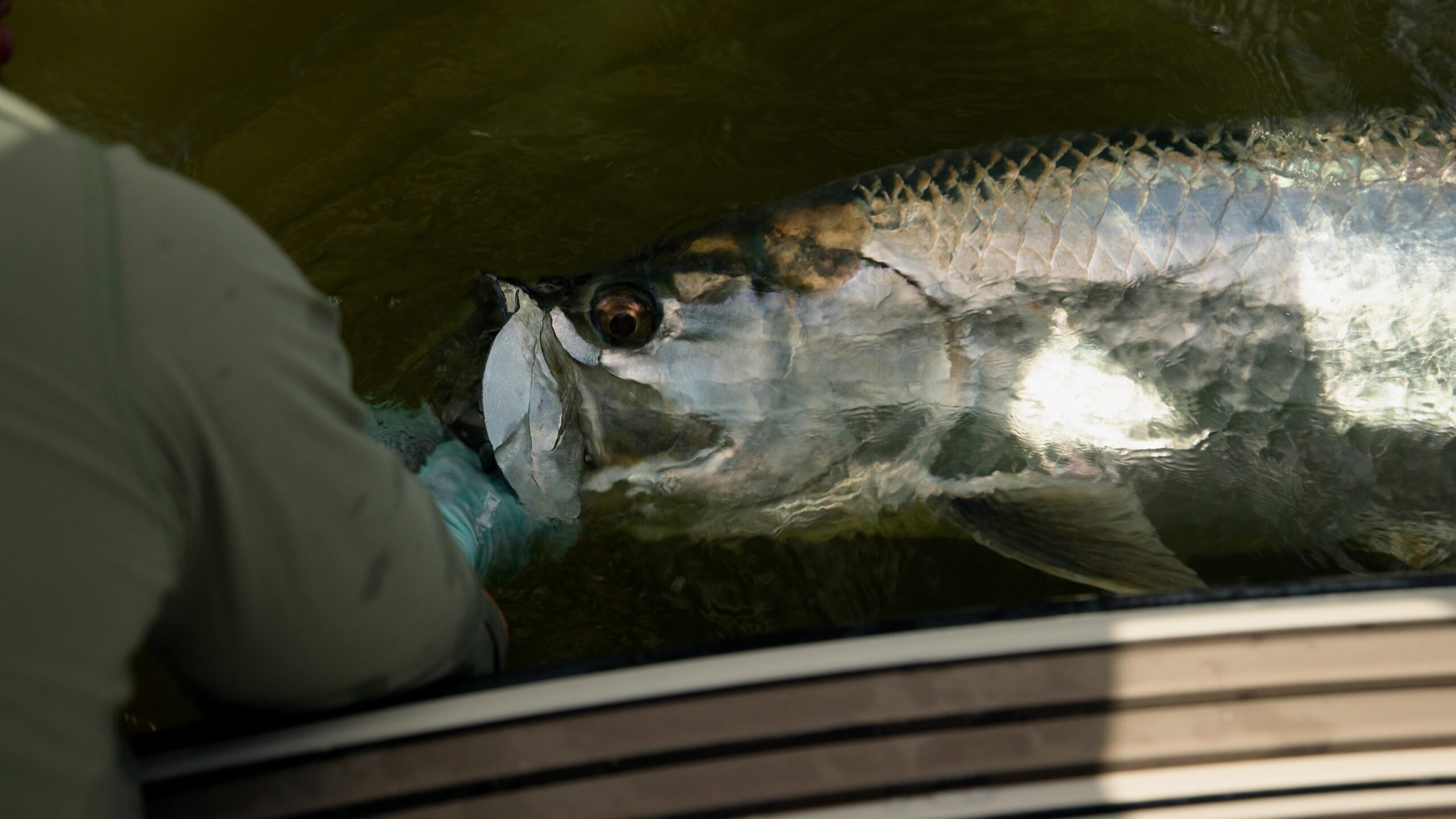
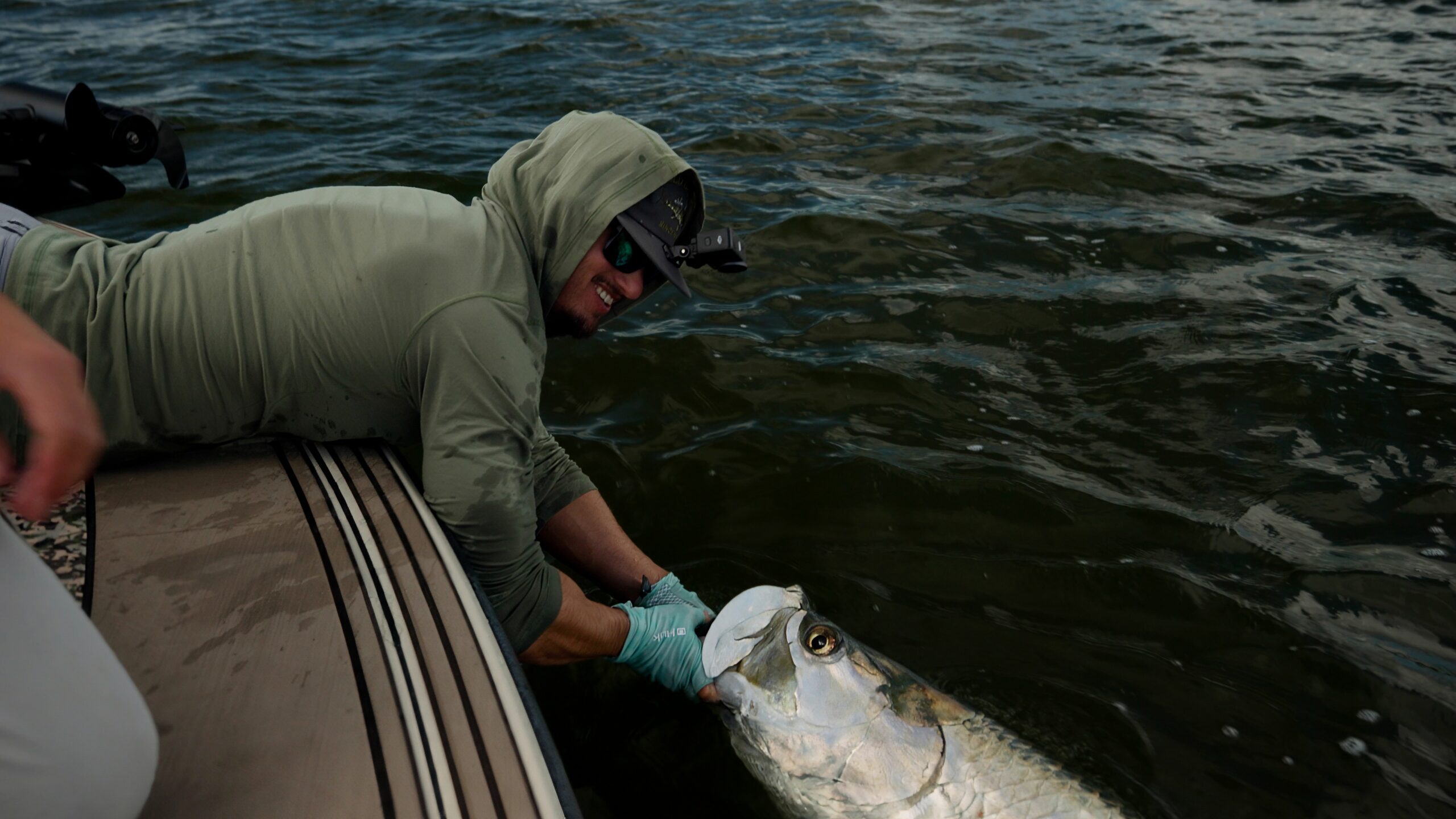
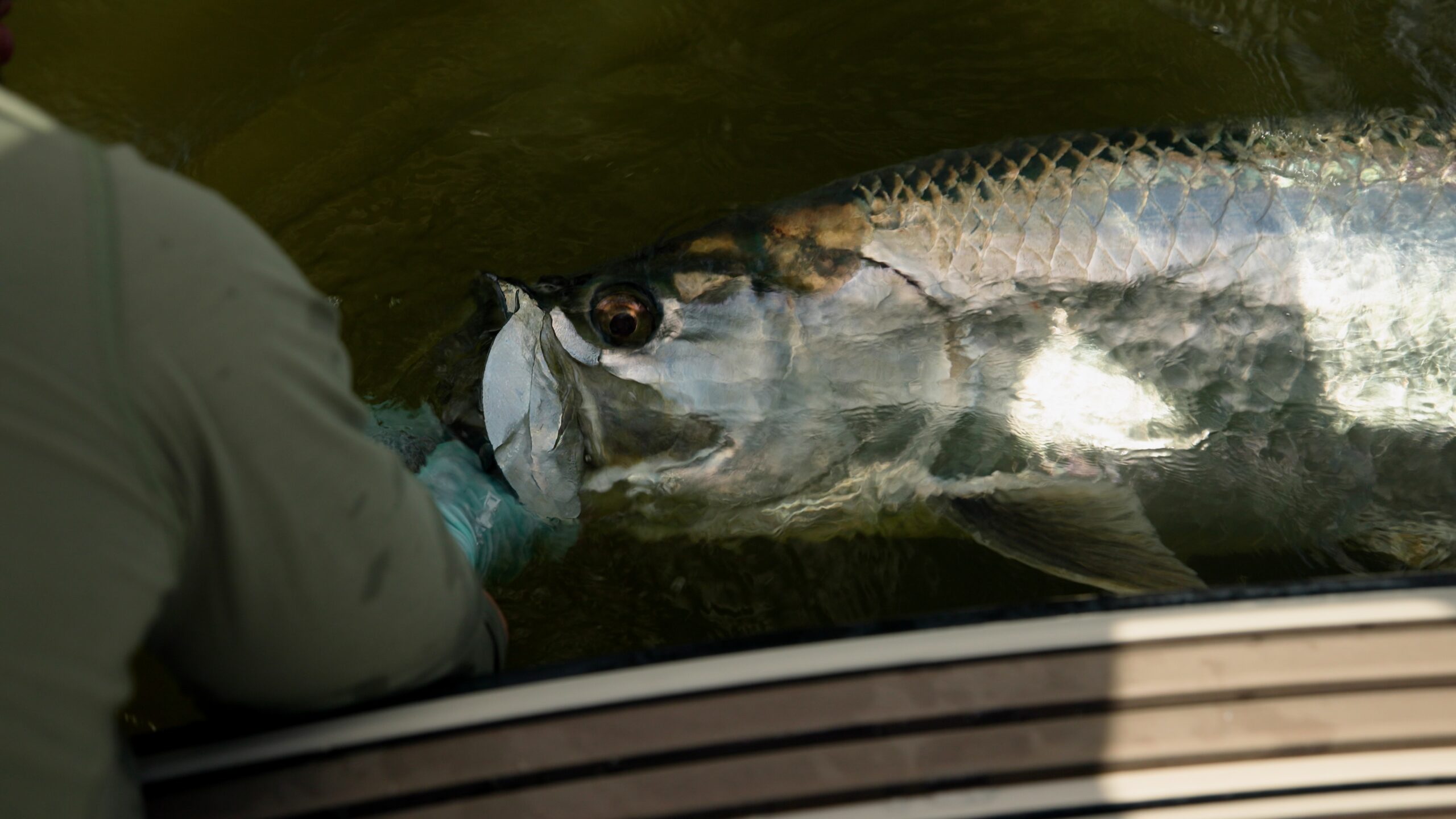
Somewhere in that 120–140 pound range. A perfect Everglades tarpon.
That was it. That was the moment.
the Payoff
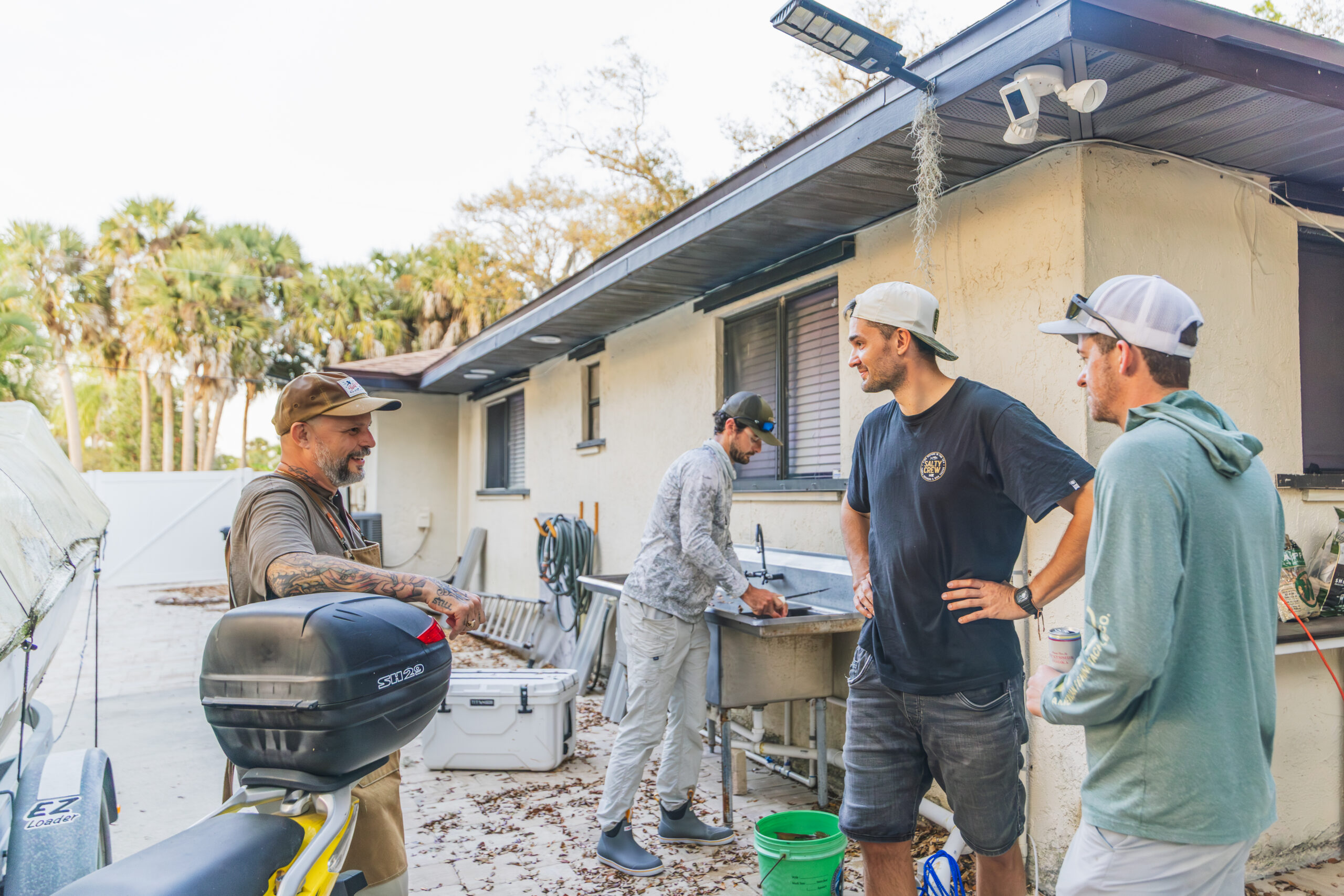
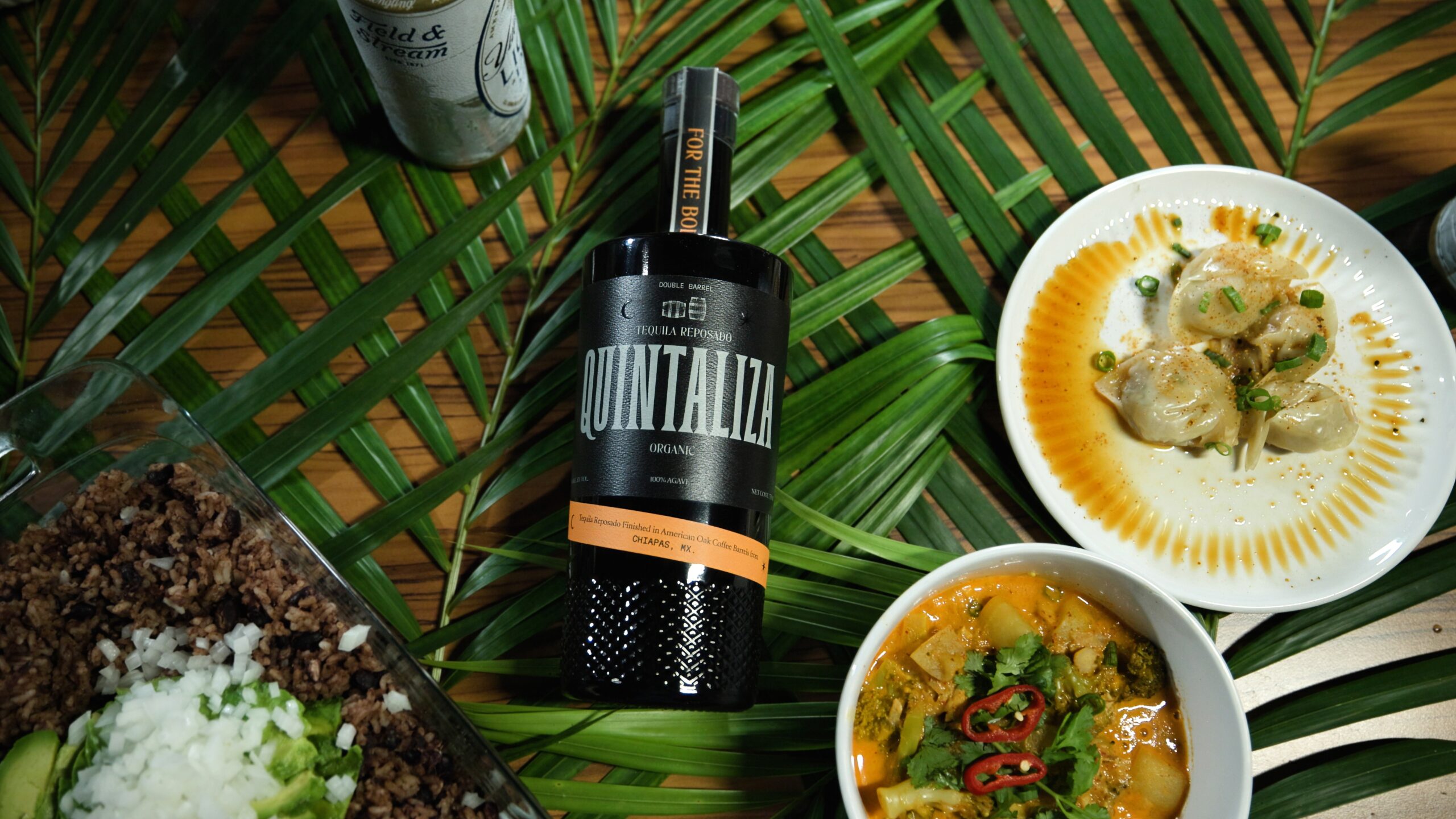
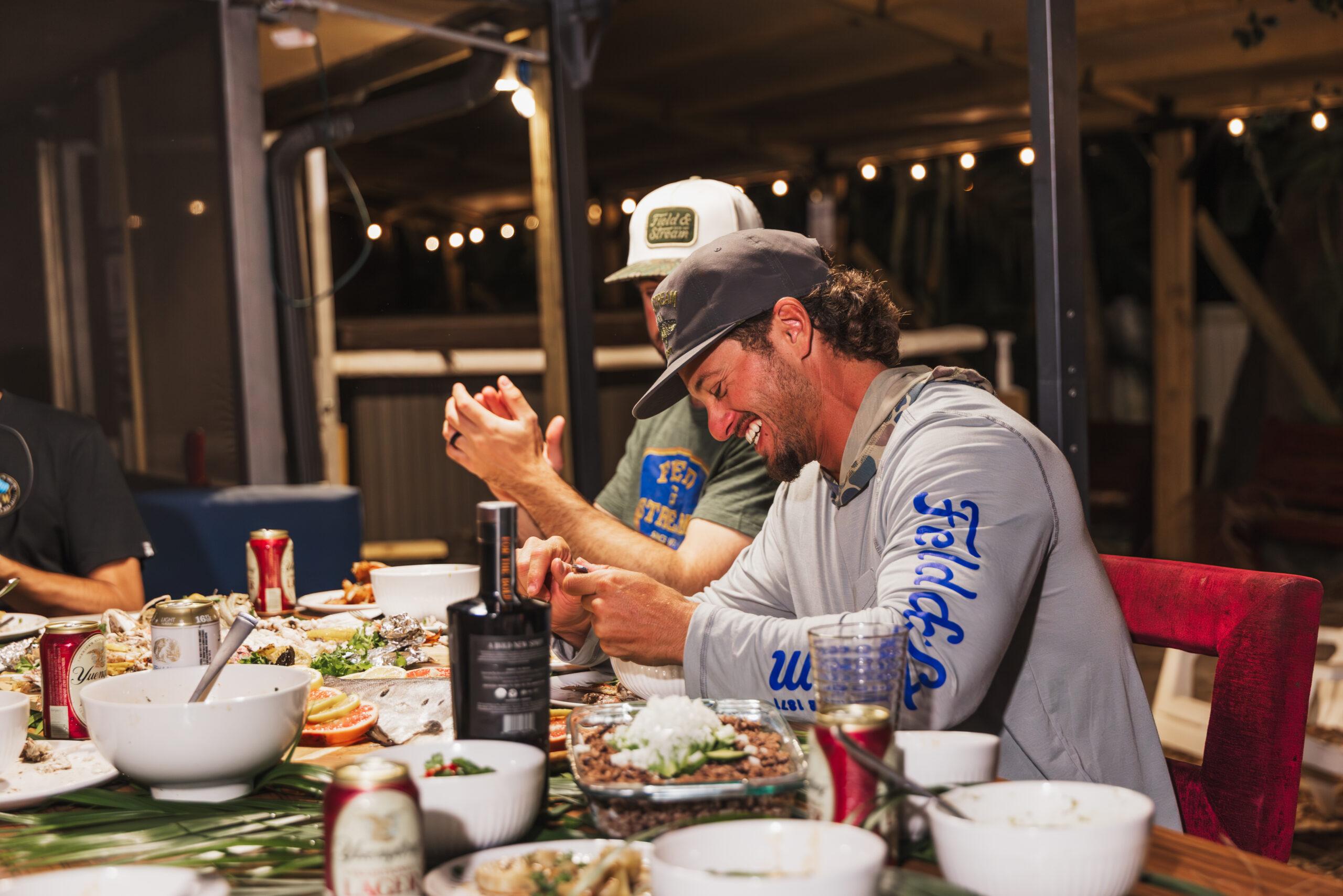
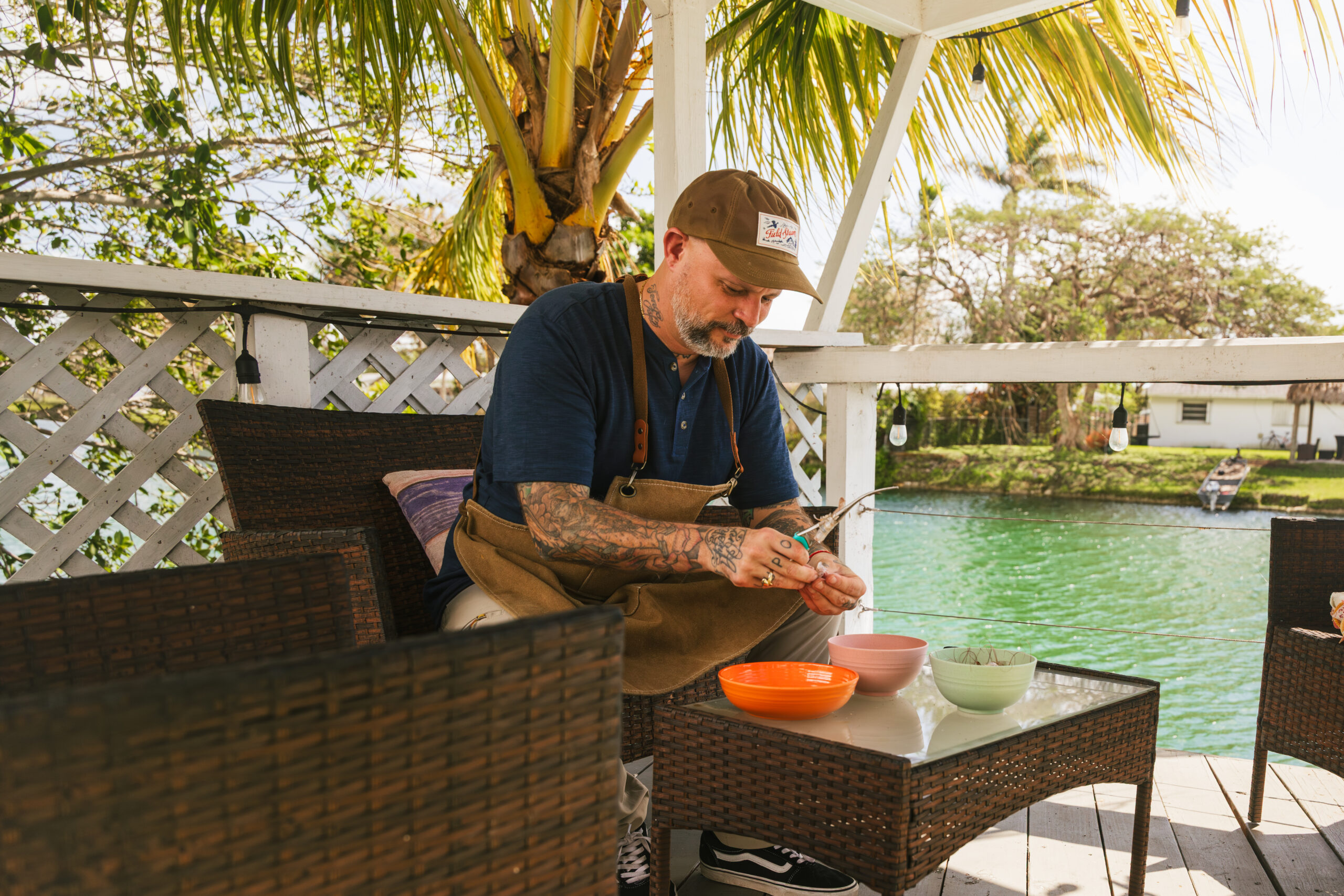
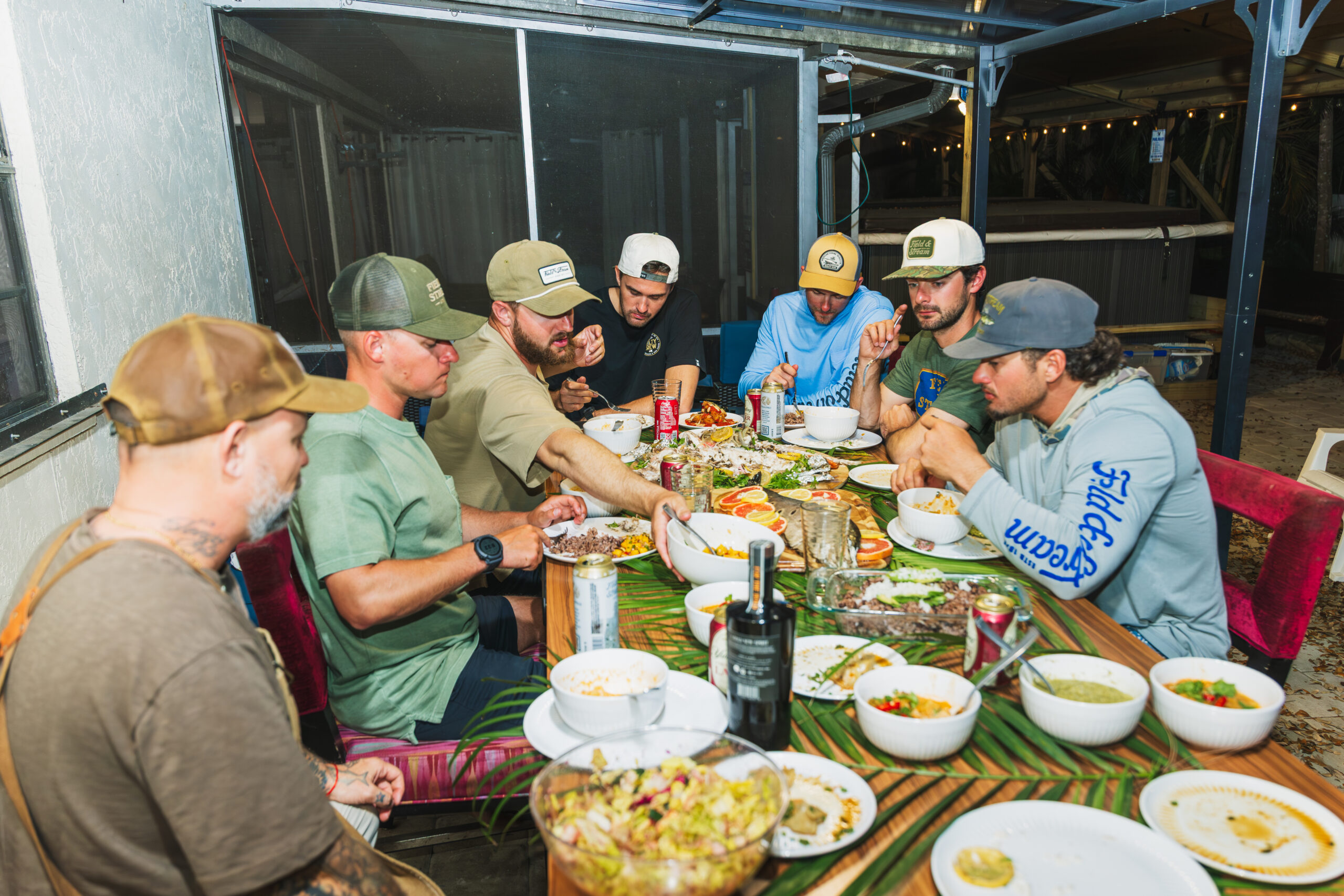
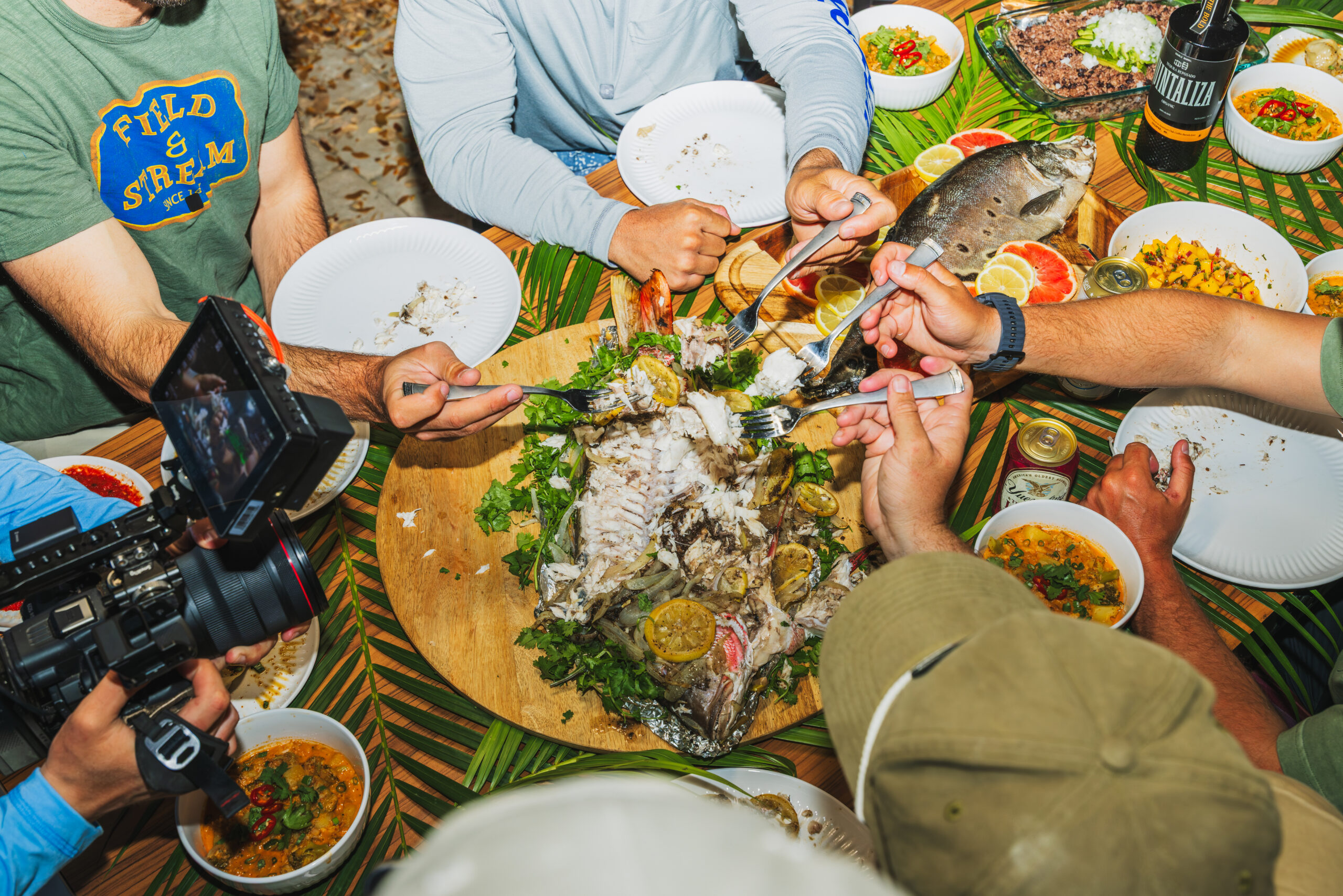
That final night brought everything full circle. Chef Will took that mutton snapper from day one – the same fish that saved us in Biscayne Bay – and turned it into the centerpiece of the meal. Whole grilled, simple, and done right. After a week of long days, little sleep, and covering miles across South Florida, everyone finally slowed down. Both teams together, telling stories from the week, replaying close calls, big fish, and the moments that almost didn’t happen. It wasn’t anything over the top, just good food, a few drinks, and a solid group of guys realizing what we had just pulled off.
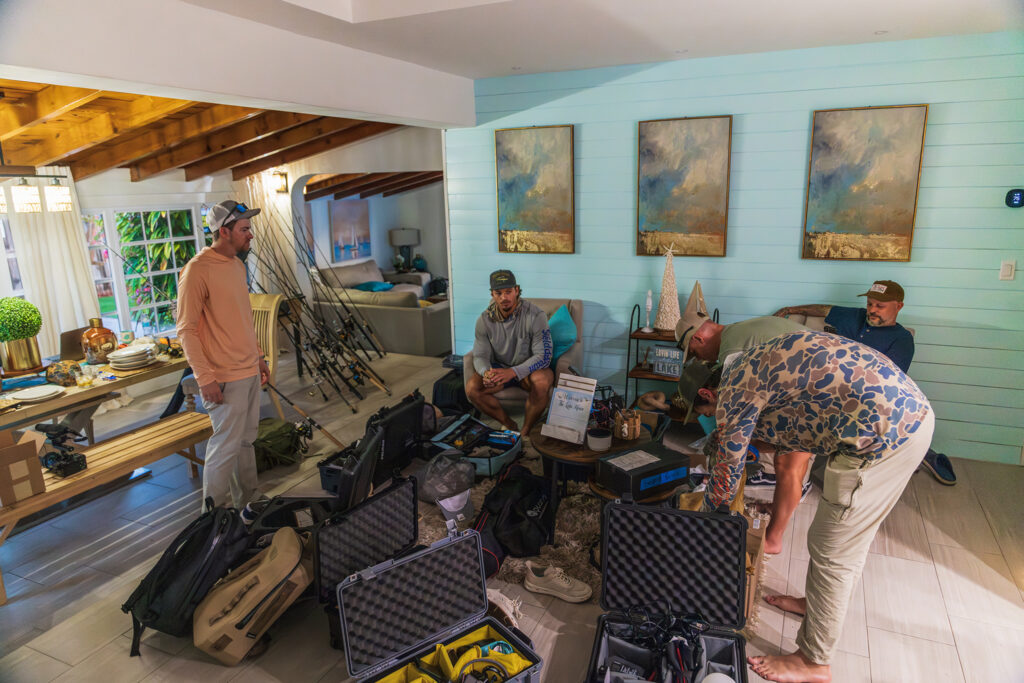
The Part Nobody Sees.
Every day ended the same way.
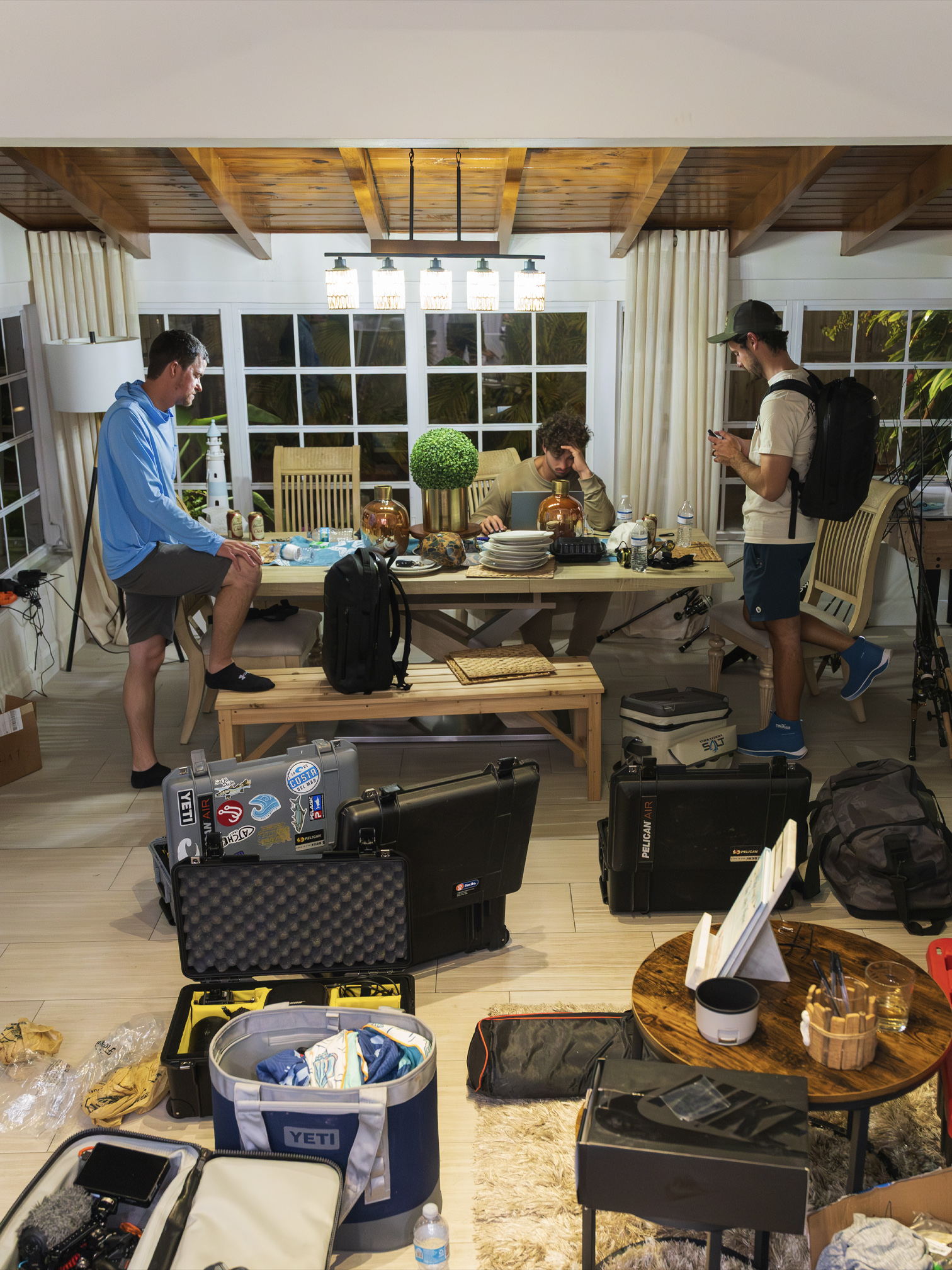
Back after dark. Dump footage. Charge batteries. Rig rods. Repack gear for the next location. Try to eat something. Maybe get a few hours of sleep.
Then do it all again.
We covered around 2,700 miles across South Florida during that week. Different fishery every day. Different plan every day. No margin for error.
There’s no “we’ll come back tomorrow” on a shoot like this.
the crew
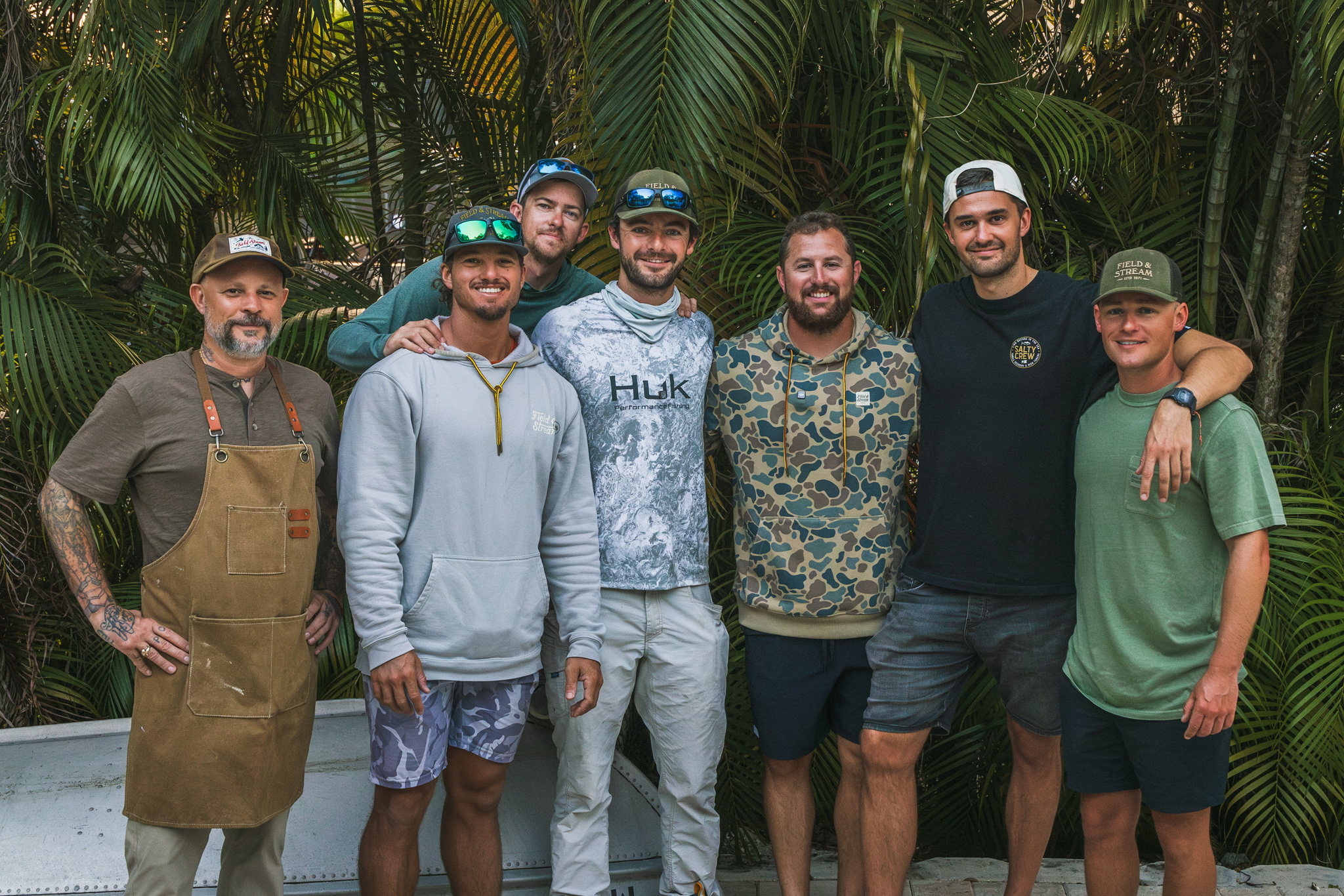
What made this one work was the people.
I’ve worked with Tyler and Brent before, and we’ve always been solid. But bringing in more creators and shooters could’ve gone a lot of different ways.
It didn’t.
Everyone was locked in. No ego, no drama. Just guys who love fishing and love what they do.
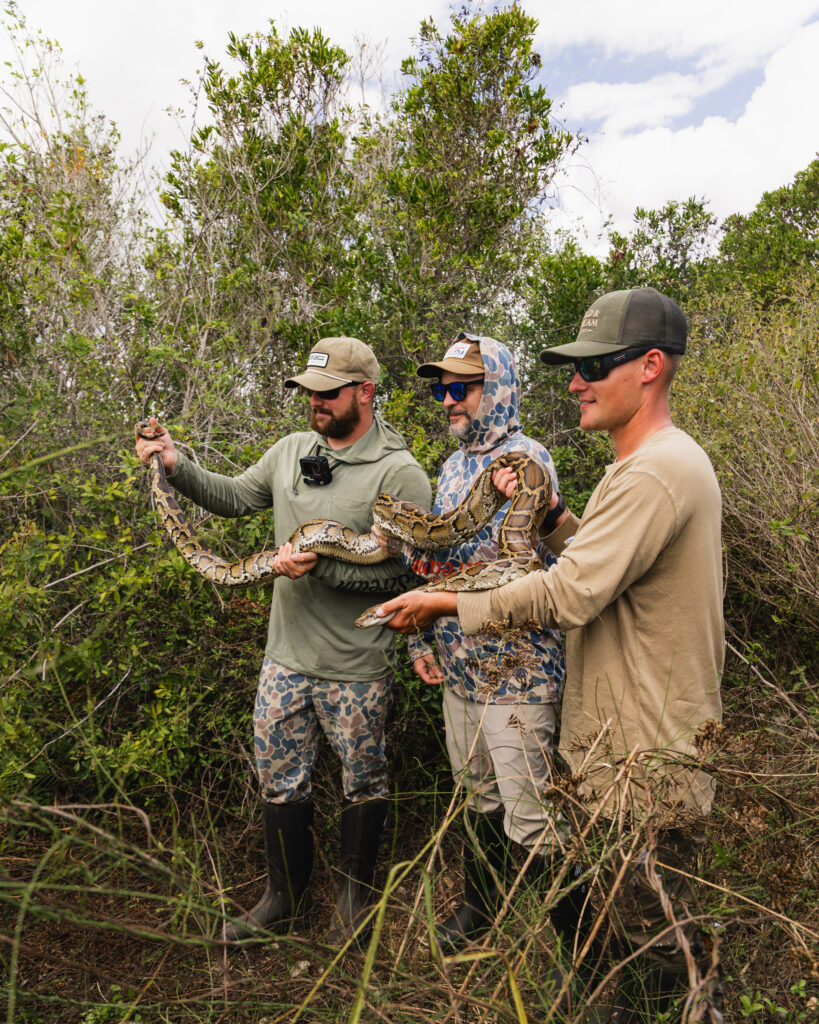
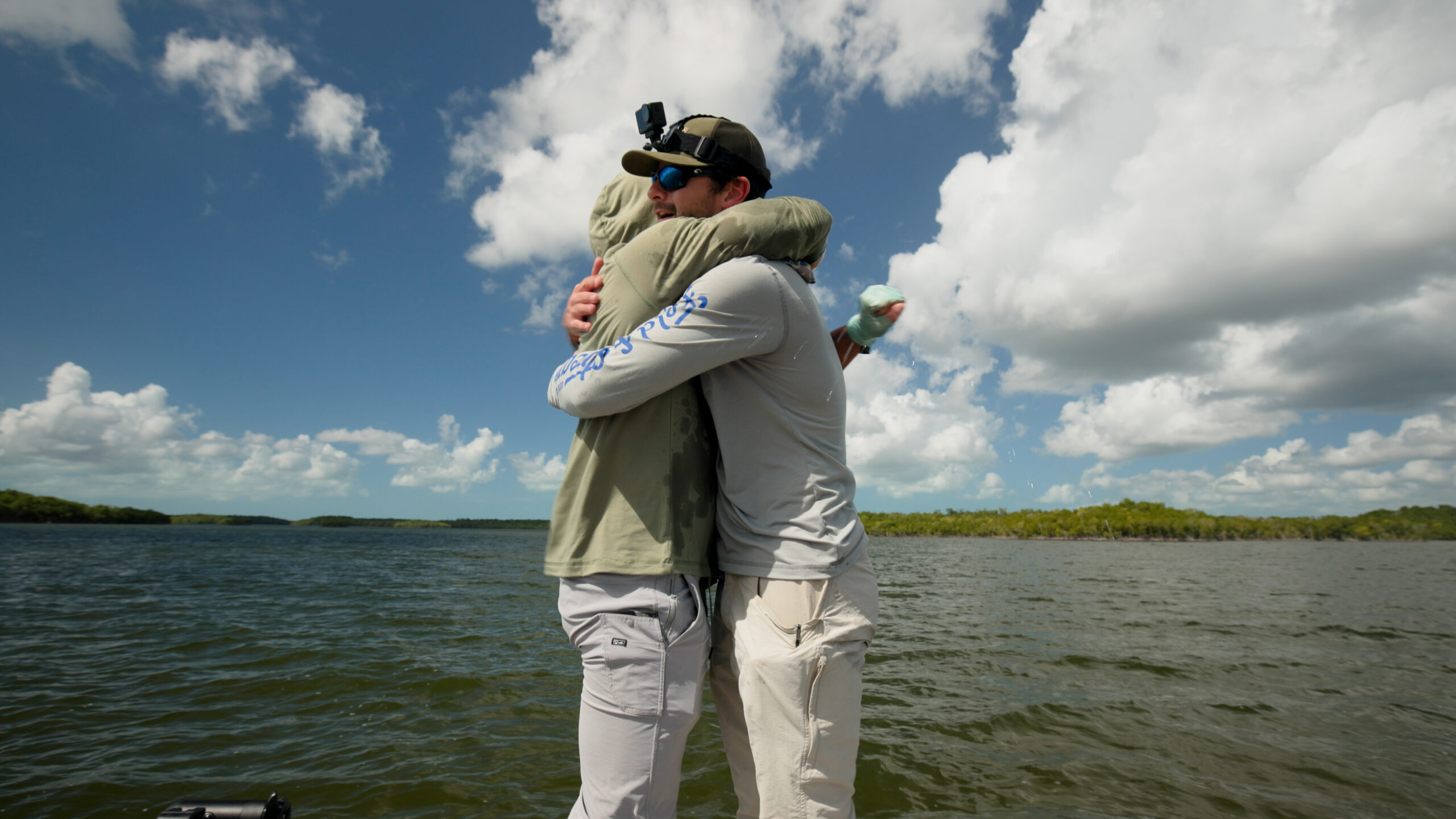
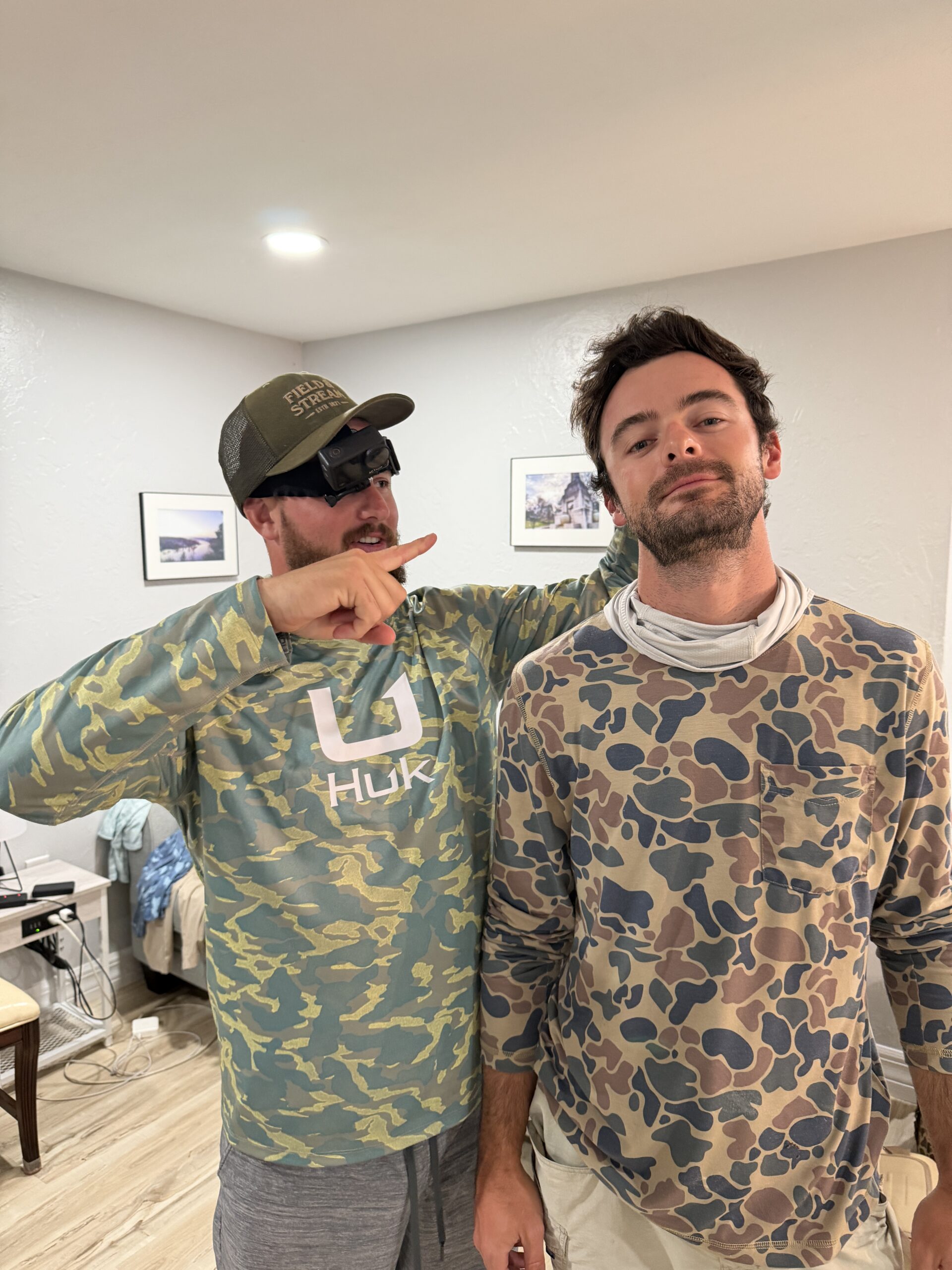
One of the coolest parts of the whole trip was watching Tyler and Brent after big catches. No jealousy. No competition in that sense. Just genuine excitement for each other.
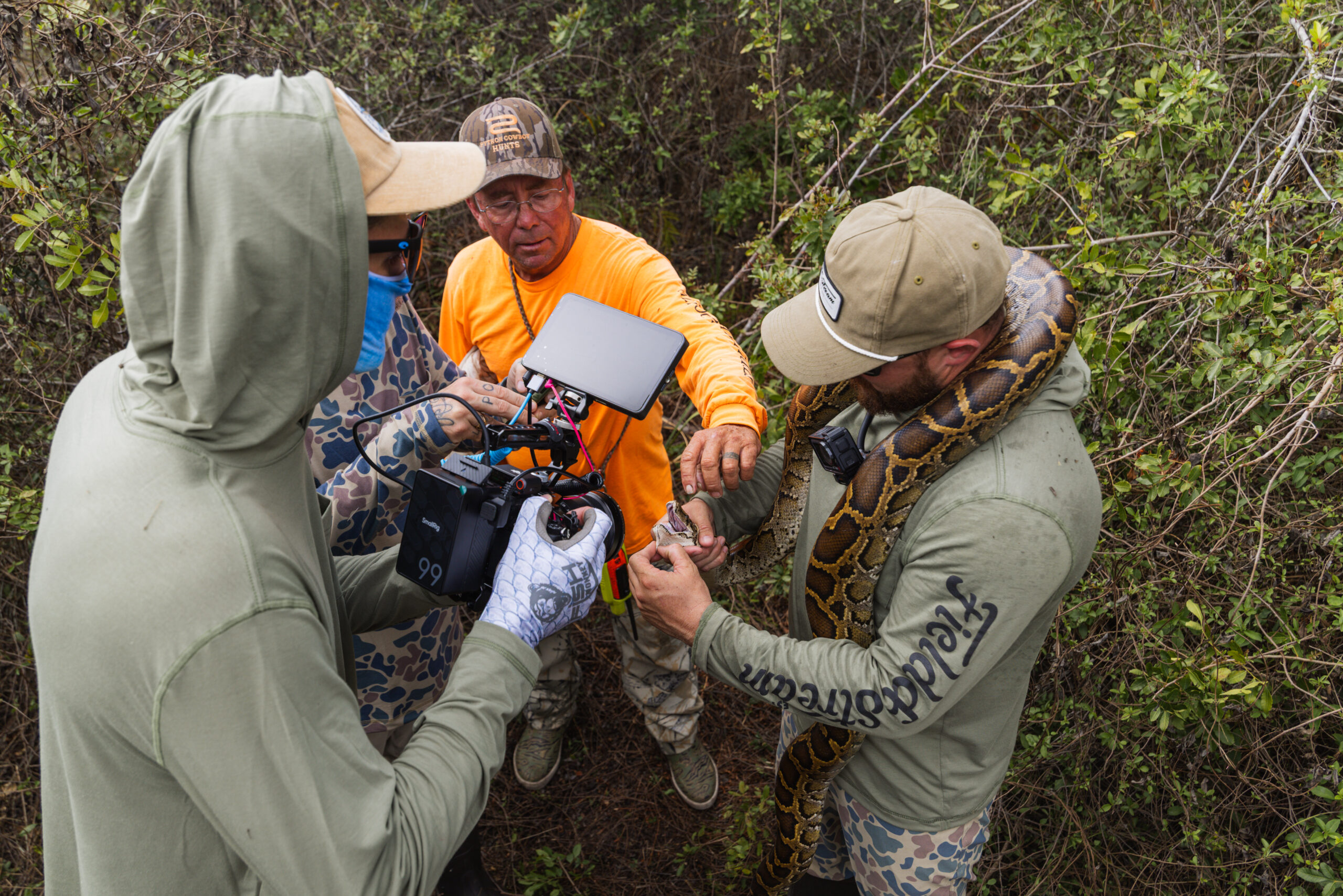
That kind of dynamic carries a shoot. Just missing Dave in the photo – thanks for taking it!
The Final Product
Each creator put out their own version of the trip, along with a ton of short-form content, and then Field & Stream released a combined piece.
For me, it’s less about one specific shot and more about the fact that we pulled it off.
Different locations. Different species. Limited time.
And it all came together. Please go check out their channels and the videos they produced from this trip.
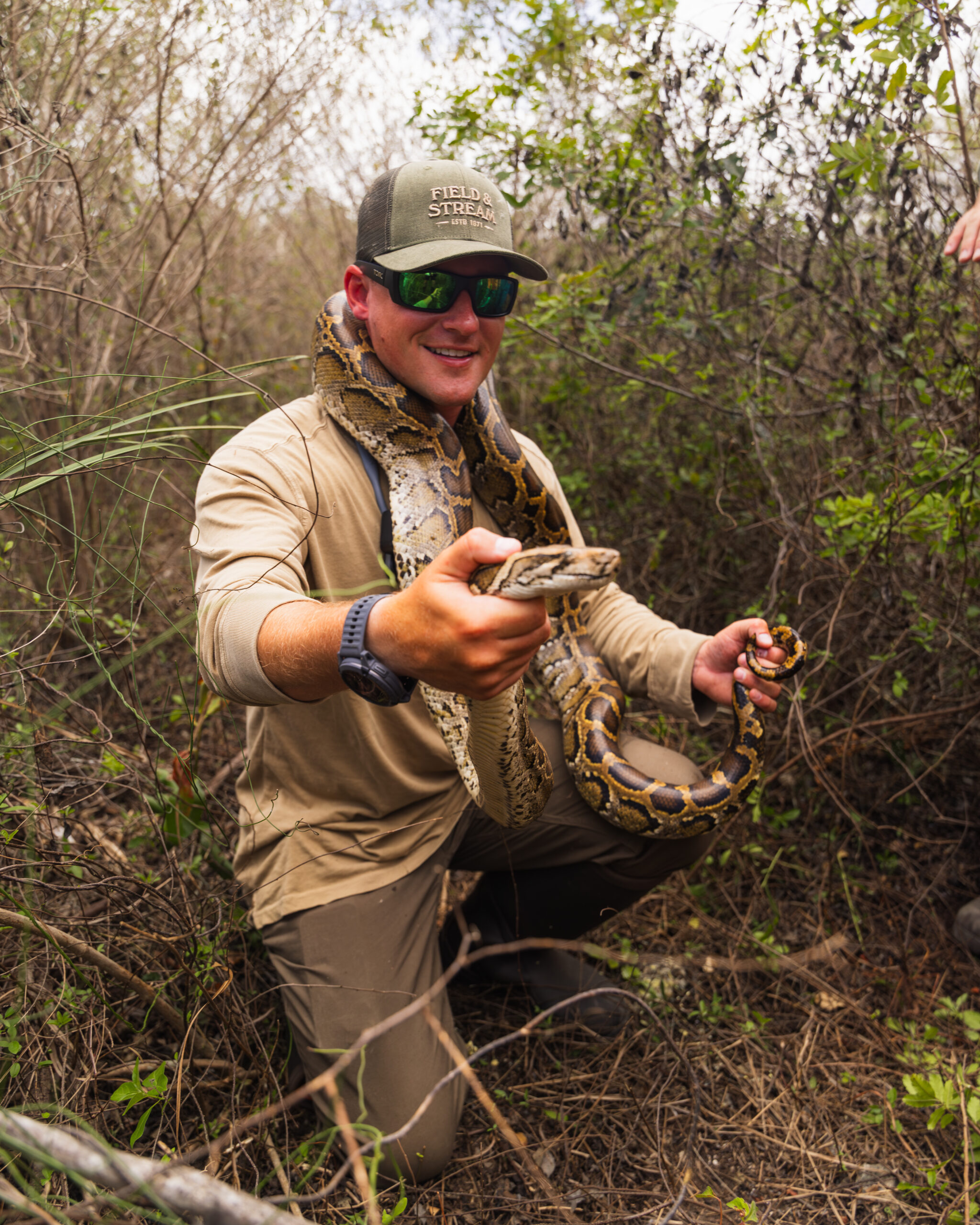
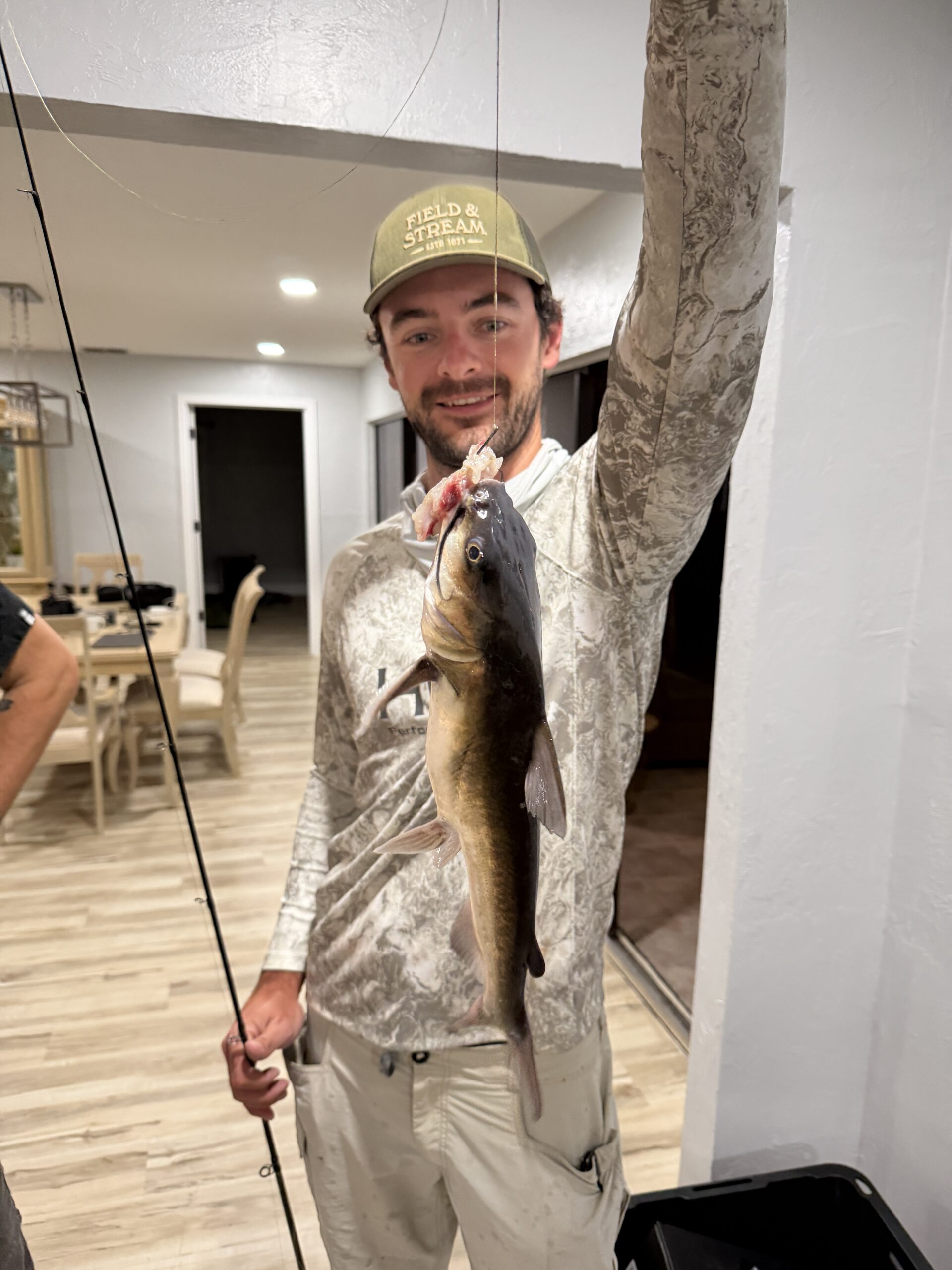
Looking Back
This one mattered.
First shoot with Field & Stream, working alongside guys I already trusted, and a few new ones that turned out to be solid right away.
It didn’t change everything overnight, but it opened the door. More shoots, more opportunities.
Colorado’s next.
But more than that, this trip showed something bigger.
South Florida is one of the most diverse fisheries in the country. Native species that have been here forever, now sharing water with invasives that are changing the balance.
There’s a responsibility there, take what you need, respect the fishery, and do what you can to protect it.
That’s part of the story too.